Whether you read books on an ebook reader or read the paper versions instead makes a more profound difference than you might imagine.
Read MoreThe format makes a difference Photo from www.pexels.com

The format makes a difference Photo from www.pexels.com
Whether you read books on an ebook reader or read the paper versions instead makes a more profound difference than you might imagine.
Read MoreThe long and short of book review lengths, or why I decided to start writing thumbnail sketch book reviews instead of full length ones.
Read More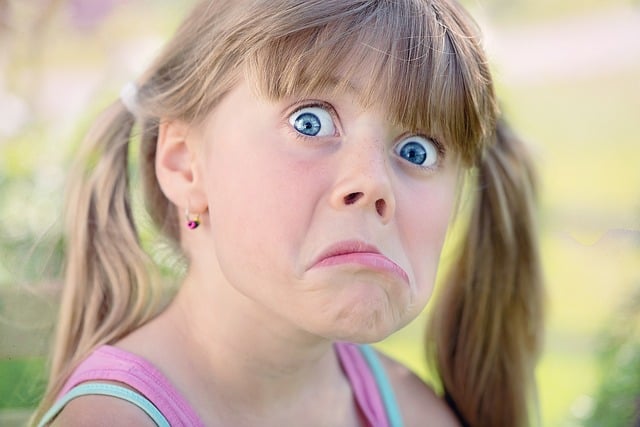
Man, is that writing horrible! Photo from www.pixabay.com
News about a website that provides copious examples of dreadful language use: curate, driven, iterate -- it's all there. Read it and cringe.
Read More
We should disinfect our writing against ugly language! Picture from www.pixabay.com CC0
Management-speak, clichés and just plainly ridiculous terms that nobody uses in their normal everyday lives should have no place in our writing.
Read More
Image from Pixabay.com CC0
The importance of outlining, and other useful advice, is included in this infographic. Despite the title, there is much here of relevance to writing in general.
Read More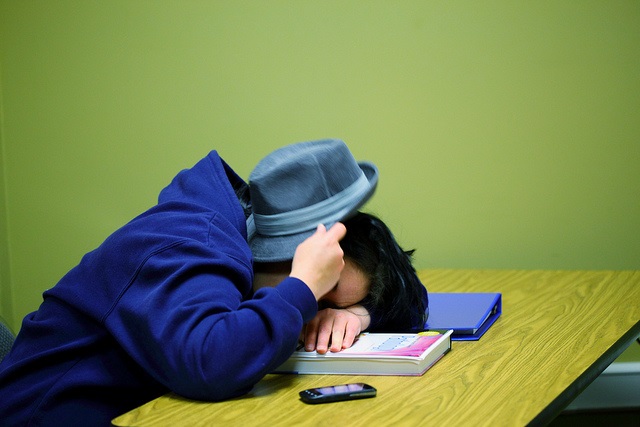
You could let Grammarly take some of the strain of proofreading. Photo by Pink Sherbert Photography https://www.flickr.com/photos/pinksherbet/
Read about a great proofreading tool, and maybe win a year's subscription!
Read MoreWhere can you find good photographs with which to illustrate your blog articles? This post provides the answer!
Read MoreWhat do good writers have that bad writers don't?
Read MoreWriters of software manuals face a rather unfortunate occupational hazard...
Read MoreWriters' block is just one of many writerly ills. In this book, Roy Peter Clark offers over 200 practical tips.
Read MoreWhen it comes to being paid for your work, it's good to know when payment is expected. You can achieve this quite simply.
Read MoreHow can a self-published author get noticed these days? Kristine Kathryn Rusch has some surprising answers.
Read MoreThe café I like to write in is full of books and magazines, which not only creates a fine bibliographic atmosphere but also encourages me when my self-doubt starts winning. There is a slight problem though...
Read MoreI know that autobiographies are, by definition, self-referential, but Stan Lee's one is actually written in a self-referential way.
Read MoreThis infographic appeared in my inbox. I am not sure whether all of this would work for every kind of blog and every kind of audience, but it has a few interesting suggestions.
Read More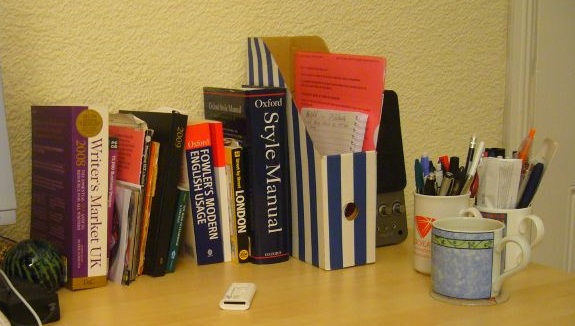
Some useful reference books for writers
I've either read, or am in the process of reading, several books to do with writing or self-publishing. Here's a list of 8 that I have found useful.
Read MoreOur new mobile-friendly design is up and tunning. Read on for a note about teething problems, and next steps.
Read More I’m in the process of changing this website to a mobile-friendly version. With any luck, this website won’t disappear in the meantime. If you do happen to get one of those horrible “Page not found” messages, please keep trying. Apparently it can take up to 72 hours for it all to come to life again.
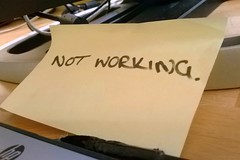 Most writers use a computer of some sort these days, and the thing about computers is that they go wrong. It’s not an ‘if’, but a ‘when’. In my experience, it happens when you have a deadline for the same day or when you were just about to dash out of the door to start your holiday. Unless you’re working for a company or some sort of co-operative, chances are you are your own technician. So what can you do to minimise the pain?
 Many of my articles on this blog are reflections on writing and technology. Although there are some writers who eschew the idea of technology, I believe that if you define “technology” widely enough, it becomes obvious that all writers use technology.
Even those who are fortunate enough to have an assistant to whom they can dictate their thoughts, and who will then type them up, are using technology – albeit at one remove
