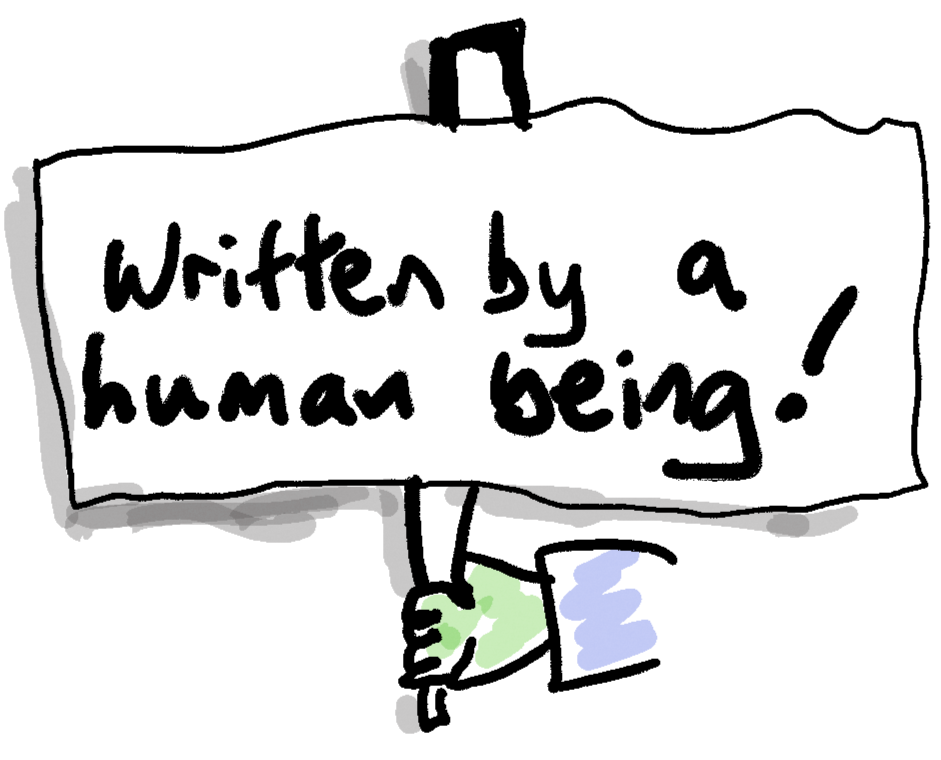
I submitted my review of this book to Teach Secondary magazine, an educational magazine in the UK. The first review below is what the magazine published. The second one is what I actually wrote! In substantive terms there is little difference between the two, but you may find it interesting to see what the editor altered.
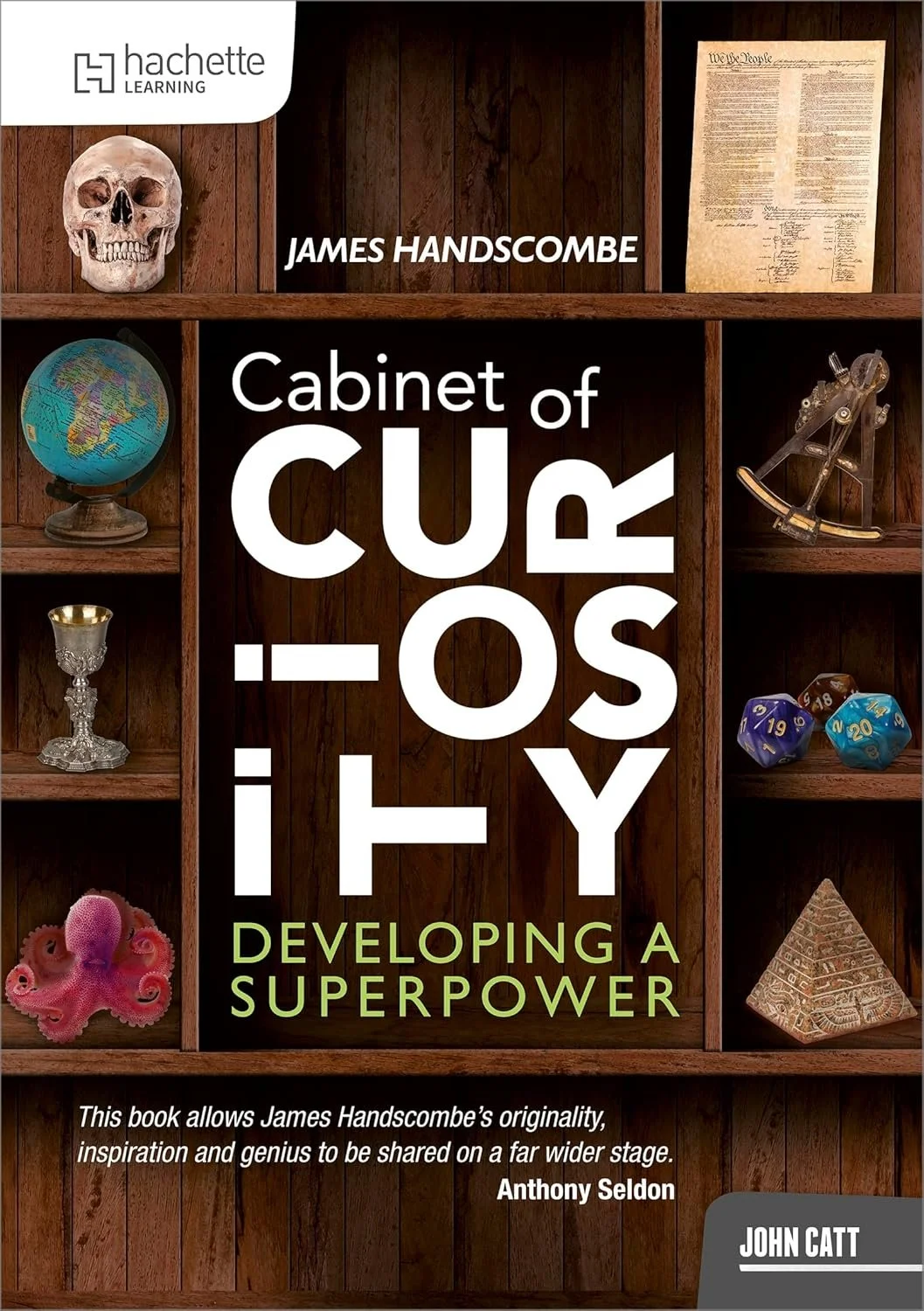
Click the pic to see this book on Amazon (affiliate link)
Published version
(James Handscombe, Hachette, £16)
Writing as someone who has successfully employed curiosity in my teaching of economics and computing, I'm very much in favour of the argument at the heart of this book - that school life ought to consist of far more than just a utilitarian pursuit of exam grades over all other considerations.
Handscombe proceeds to grapple with a dizzyingly broad set of topics, including British and American politics, art appreciation and even 'quantum chromodynamics'.
The book does, however, come accompanied by a toolkit and explanatory notes for teachers, which should serve as a good starting point for any educators wanting to introduce a curiosity-based element to their courses.
The kind of approaches the book proposes would need to be taken seriously by SLTs, parents and students alike if they're to work, which may pose a challenge - but it would be a challenge worth persevering with.
This review was first published in Teach Secondary magazine.
My original version
Writing as someone who successfully employed curiosity in my teaching of both Economics and Computing, I am very much in favour of the concept of this book. School life is not, or at least should not, be only a utilitarian pursuit of exam grades.
Handscombe provides a menu of possible topics to cover, including British politics, American politics and art appreciation. I’m afraid my eyes glazed over when I read the chapter title Quantum Chromodynamics. Still, the Toolkit and the Notes for teachers would serve as a good starting point for anyone wishing to introduce a curiosity-based element to a course such as Liberal Studies.
It is clear that the idea must be taken seriously by the senior leadership, parents and, of course, students. A challenge perhaps, but ultimately a worthwhile one.