I submitted my review of this book to Teach Secondary magazine, an educational magazine in the UK. The first review below is what the magazine published. The second one is what I actually wrote! In substantive terms there is little difference between the two, but you may find it interesting to see what the editor altered.
Published version
The Idea Machine: How Books Built Our World and Shape Our Future
Joel J. Miller, Globe Pequot, £30)
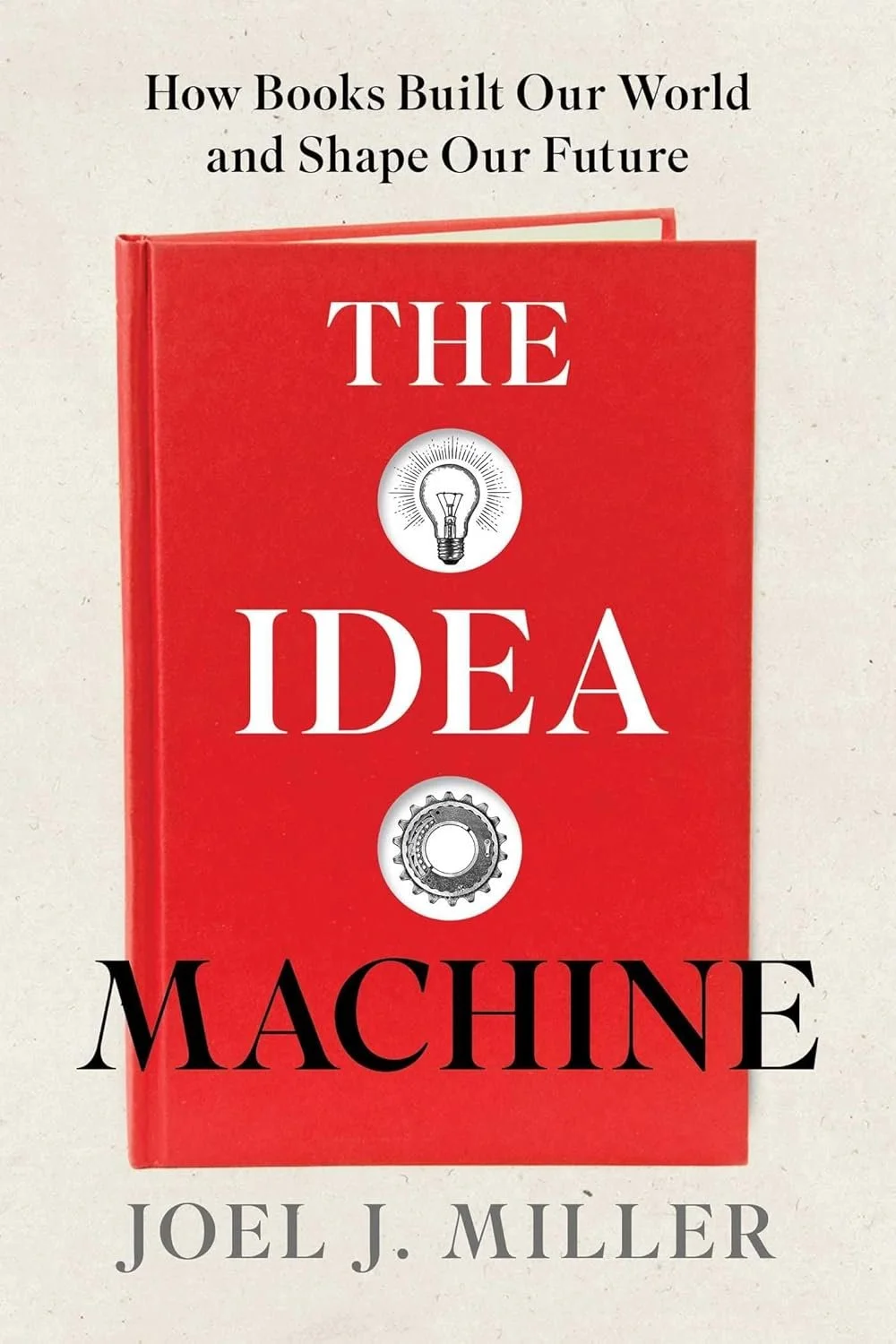
Click the pic to see this book on Amazon (affiliate link)
It's hard to imagine a time when books were once precious objects, and libraries an indicator of formidable power and influence; an era when just the very idea of a book - as opposed to a scroll - was considered remarkable. Miller traces the development of books right back to the origins of writing itself, and then onwards, through to the development of the world wide web and beyond, past Al.
What emerges from Miller's telling is essentially a history of problems in search of solutions. How do we know what information is available? How do we find it quickly? How do we then use it?
Underlying the book's insights is a simple, yet profound notion - that the act of writing something down enables others to respond to that information and think about it, hence the title. The written word has endured for millennia, and herein you'll discover why.
This review was first published in Teach Secondary magazine.
My original version
It is hard to imagine a time when books were precious objects and libraries a symbol of power and influence. Indeed, even the very idea of a book, as opposed to a scroll, is remarkable.
Miller traces the development of books from the development of writing itself, through to the development of the world wide web and even artificial intelligence.
What comes across is really the history of solving a series of problems: how do we know what information is available, how do we find it quickly, how to we use it? Underlying all this is a very simple but profound thought: having something written down allows others to respond to that information and thinking, hence the title.
For millennia the written word has endured, and many books are now available for next to nothing and instantly downloadable, which makes it rather ironic that reading is declining amongst young people.