I submitted my review of this book to Teach Secondary magazine, an educational magazine in the UK. The first review below is what the magazine published. The second one is what I actually wrote! In substantive terms there is little difference between the two, but you may find it interesting to see what the editor altered.
Published version
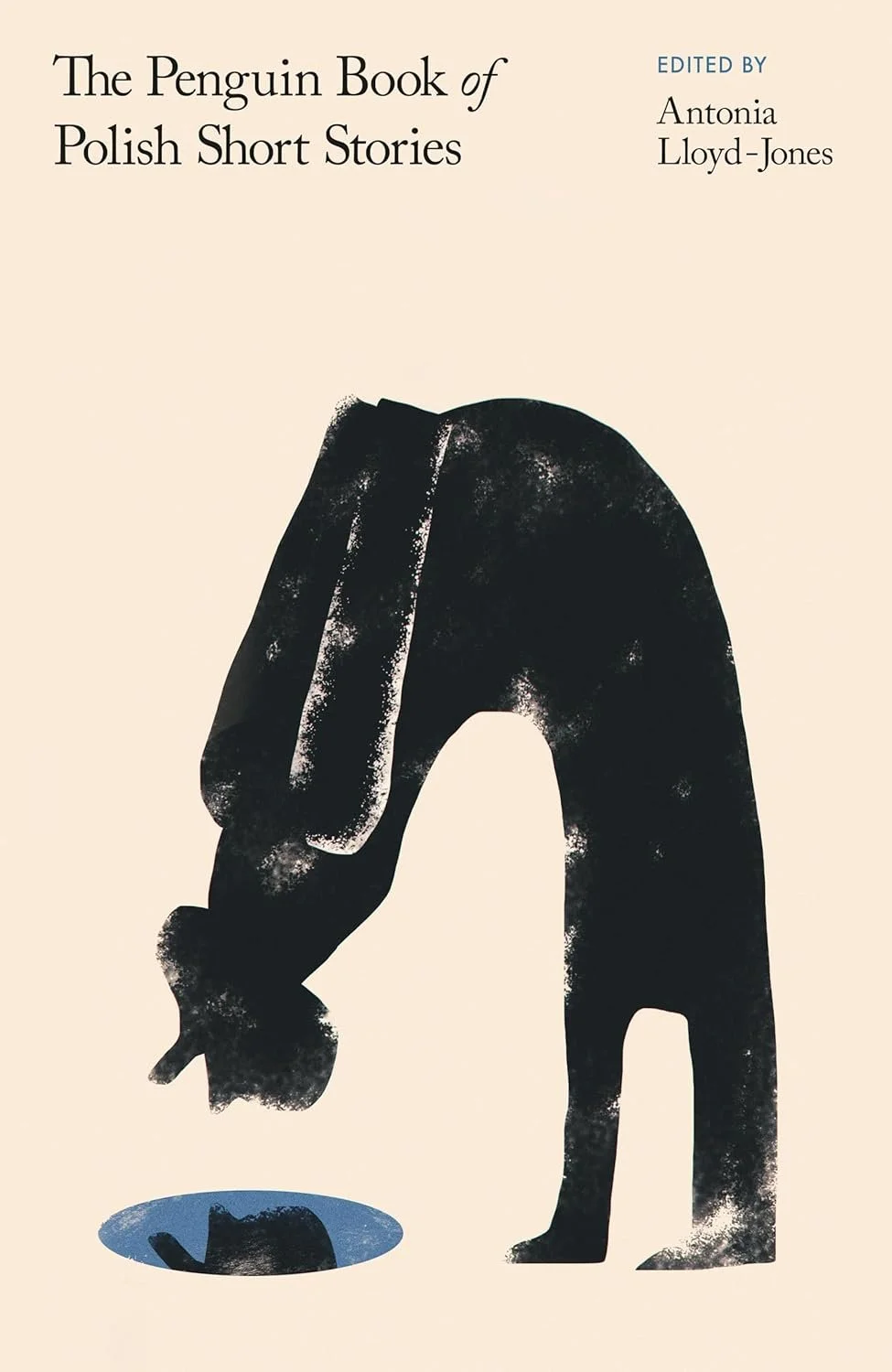
The Penguin Book of Polish Short Stories
(Antonia Lloyd-Jones (ed), Penguin, £30)
Click the pic to see this book on Amazon (affiliate link)
The 39 stories in this collection span a hundred years, during which Polish society underwent seismic political change several times over. Rather than arrange the stories chronologically, Lloyd-Jones has instead opted to group them under a series of themes - 'Animals', 'Children', 'Couples', 'Men behaving badly', 'Women behaving badly', 'Misfits', 'Soldiers', 'Surrealists' and 'Survivors'
A few of the selections could certainly prove useful for history students, having been written by individuals who lived through WWII.
For the most part, the stories are very readable and highly entertaining. Up until now, only nine of them had previously been available in English translation, making this volume a good introduction to the Polish literary tradition, and some imaginitve approaches to writing and narrative that your English students might not have encountered before.
This review was first published in Teach Secondary magazine.
My original version
The thirty-nine stories span a hundred years. That may seem like a relatively short time, but for Poland it represents huge changes in politics and society. Thus the stories are very different from the more generally available British and American variety. Furthermore, until now only nine of them would have been accessible by non-Polish speakers.
Rather than arrange them chronologically, Lloyd-Jones has opted to group them into themes. These are Animals, Children, Couples, Men behaving badly, Women behaving badly, Misfits, Soldiers, Surrealists and Survivors. Some of these could prove useful for History students, as the relevant sections were written by people who lived through the Second World War, and whose experiences and perspectives are almost certainly different from those of non-Polish writers.
For the most part the stories are very readable and highly entertaining. For the English teacher they provide examples of ways of writing that their students may not have previously encountered.