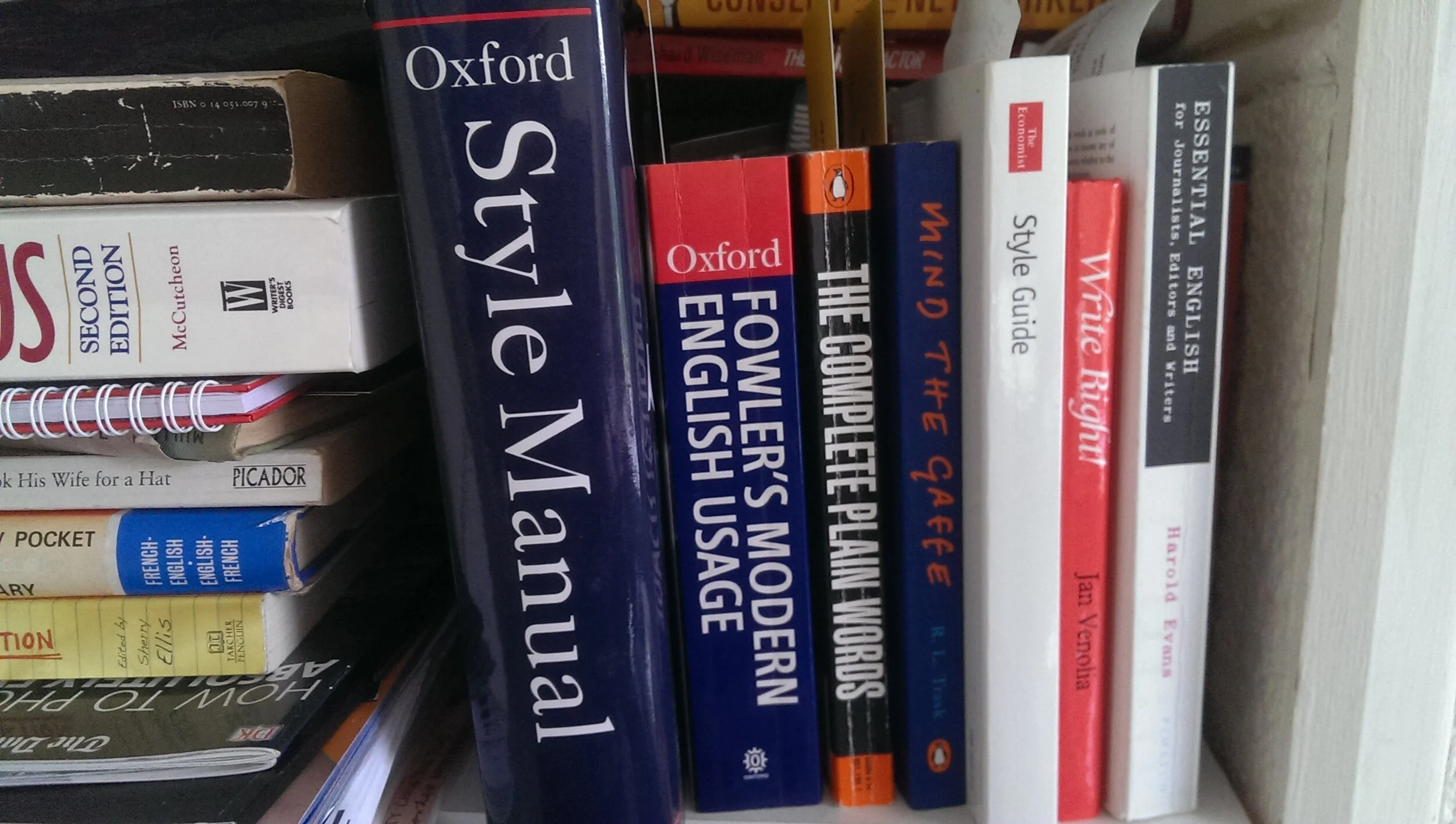
There are two broad kinds of style guide. There is the generic type, containing advice on such things as whether to use “different from” or “different than”. And there is the specific type, ie specific to a particular publication. For example, should “internet” be spelled with a lower case “i”, or as “Internet”?. The specific style guide will tell you.
Read MoreHow can you start writing a book if you don’t know where to start?
Read MoreThere are different stages in the writing and publication of a book. I wrote about the software I use at each stage.
Read MoreWhat can writers learn from the way other writers work?
Read MoreShould you write for poorly-edited publications featuring poorly-written articles?
Read MoreIt’s all very well my coming along and saying: “Negotiate! They can only say ‘no’.”, as I did in the article entitled The Professional Writer: Negotiating. But how do you work up the courage to do so?
Read MoreAs we haven’t adopted the EU’s Copyright Directive, what will copyright law look like in the UK? Also, how has copyright been affected by Covid-19? These and other issues will be discussed in this online conference taking place on 16 July 2020.
Read MoreWhy is negotiating essential for the professional writer?
Read MoreA contract is essential — even between friends.
Read MoreWhy writers should ask for payment — even if they don’t need it.
Read MoreWhat does it take to be a professional writer?
Read MoreShould you use bullets or numbers in a list?
Read MoreIf you aspire to write educational material and have it published digitally, there’s a great seminar coming up on 6th May 2020.
Read MoreAlthough I've been getting articles published and paid for since 1990, I still take writing courses. How come?
Read MoreMost of us live in the real world rather than an ideal one, and sometimes find it almost impossible to find enough time to write productively. Here are seven things you can try to help ensure that when you do have time you’re not at a loss for words.
Read MoreThe seminar programme at the London Book Fair (10-12 March) seems to be taking shape. Definitely worth checking out what’s in place so far.
Read MoreNot every day for the writer has to involve actual writing.
Read MoreYou've successfully pitched the editor, so the hardest part is over. Now what can you do to maximize your chances of getting further work from the same outlet? Here are 12 things I've been doing for years with quite a bit of success. Maybe they'll work for you, though there’s no guarantee of course -- they don’t even work for me 100% of the time! But hopefully they’ll give you a better than average chance of continuing commissions.
Read MoreWriting in your head, or prewriting, can be a good idea -- and you don't always need to type it out.
Read MoreConventional wisdom has it that you should keep your rejection slips to remind you of how far you've come as a writer once you’ve established yourself. I’ve even read of people who proudly plaster their walls with the things.
Read More