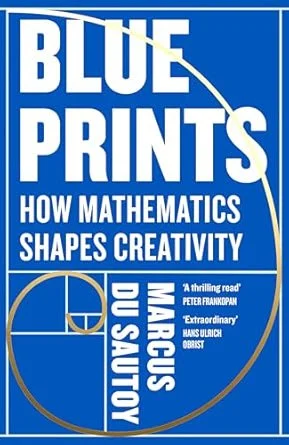
Blueprints: How mathematics shapes creativity
(Du Sautoy, 4th Estate, £22)
Click the here to see this book on Amazon (affiliate link)
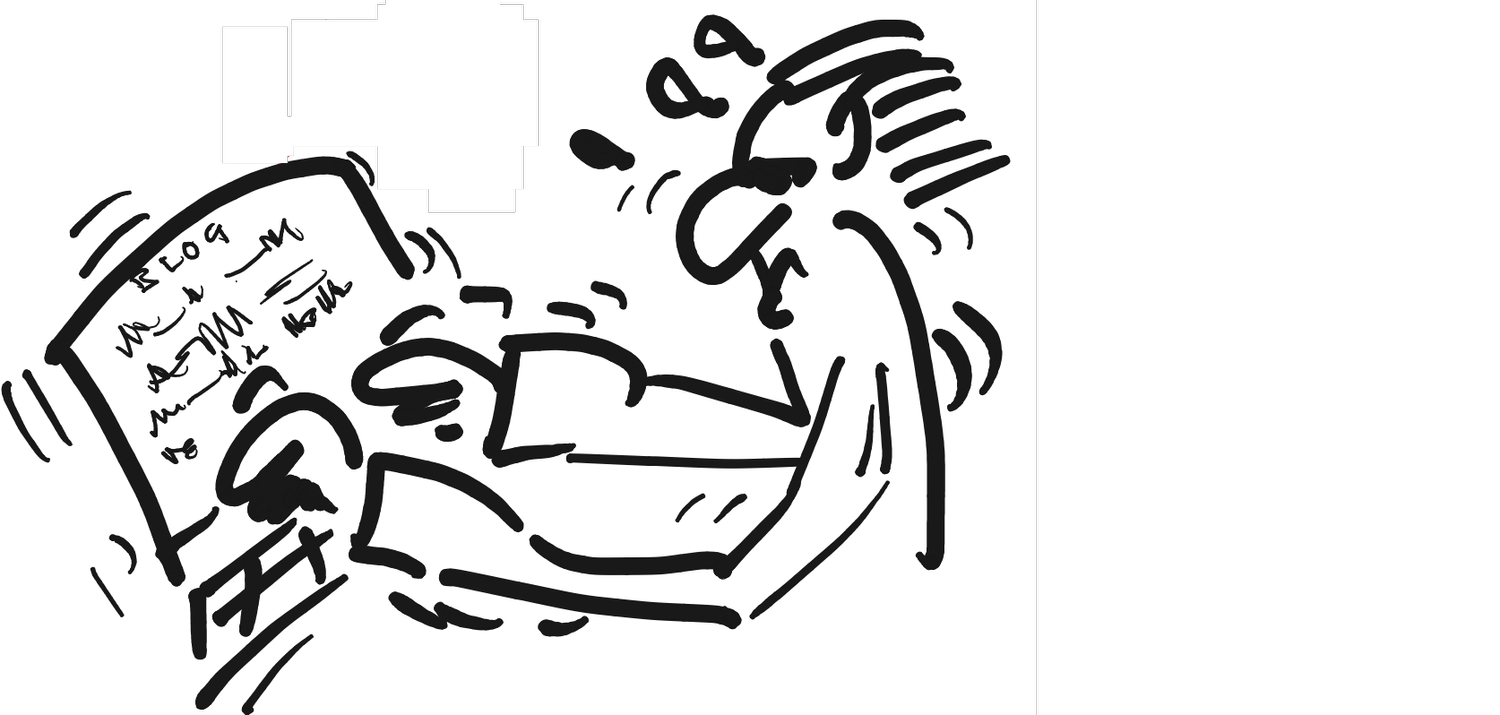
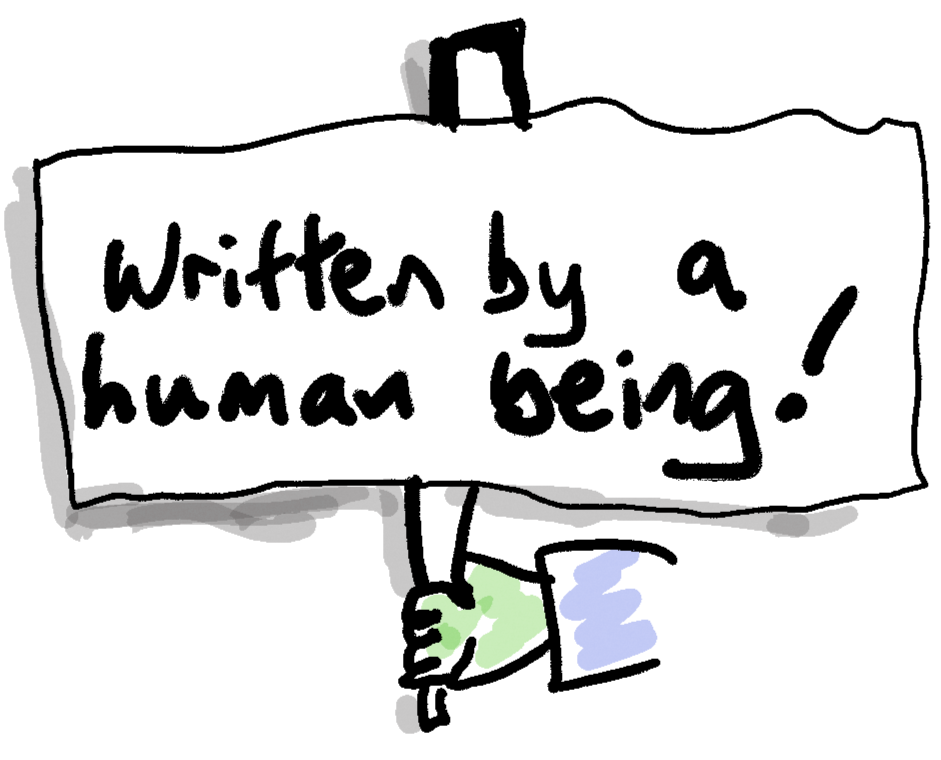
I submitted my review of this book to Teach Secondary magazine, an educational magazine in the UK. The first review below is what the magazine published. The second one is what I actually wrote! In substantive terms there is little difference between the two, but you may find it interesting to see what the editor altered.
Published version
I can’t say I fully understood all the maths in this book, but putting myself in a maths teacher’s shoes, I see Blueprints as a godsend.Why?
Firstly, because it answers that most dreaded of questions – how is maths relevant to everyday life?
Secondly, because ofthe sheer range oftopics and intriguing areas of maths that it covers.A cursory glance at the ‘Dramatis Personae’ included at the start reveals a list of composers, writers, architects and artists, plus several other professions you might not expect.
Yes, Blueprints is no dry maths textbook, but rather a journey through various key mathematical concepts, as readers are shown how they’ve featured in nature, or been integrated into great works of art and craftsmanship overtime.
The concepts discussed include the circle,the Golden Ratio, fractals and randomness itself.The well-judged prose, combined with an impressive breadth of coverage, makes Blueprints a genuine pleasure to read.
My original version
I cannot say that I fully understood all the maths in this book, but putting myself in a maths teacher’s shoes I see Blueprints as a godsend. Why? Because it provides two important elements.
Firstly, it answers that most dreaded of questions: how is this relevant to everyday life?
Secondly, the range of topics and areas of maths covered is intriguing. Even a cursory glance at the “Dramatis Personae” at the beginning will serve as an hors d'oeuvres to the main course: composers, writers, architects and artists and several more professions are featured.
Thus Blueprints is not a dry maths textbook filled with imaginary problems, but a journey through the key concepts to see how they have featured in Nature or in people’s works. These include the circle, the golden ratio, fractals and even randomness. It is nicely written too. This, combined with the breadth of coverage mentioned earlier, makes Blueprints a pleasure to read.