In this post I preview two books which you may be interested in. One is a series of autobiograohical stories, beautifully written, while the other comprises six writers explaining why they did what they did in their short story included in the book.
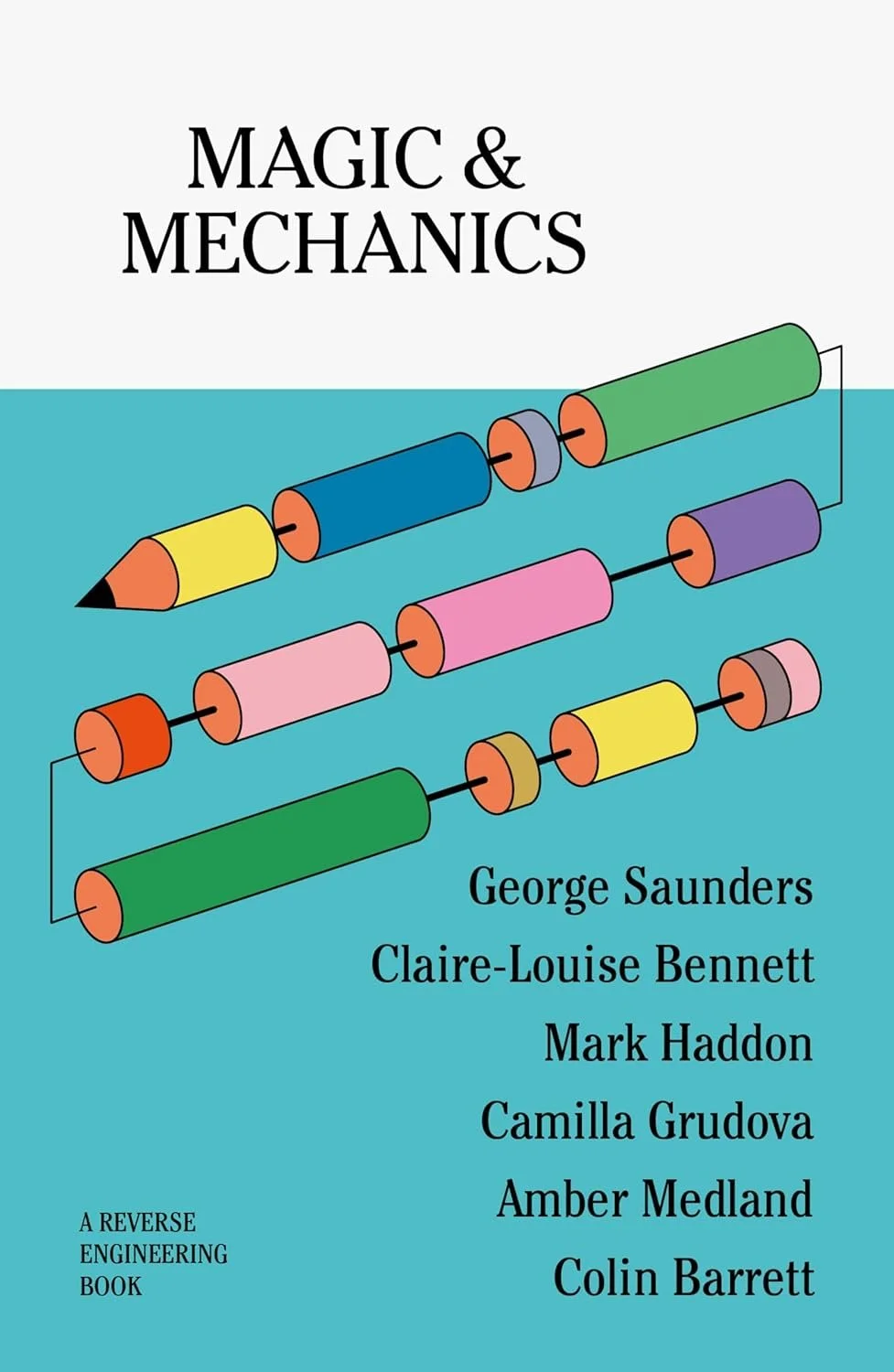
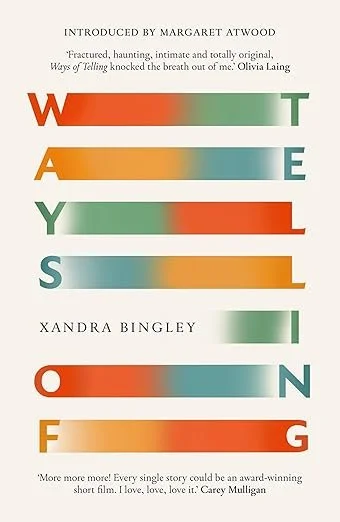
Today I’m (not) reviewing two books, in the way of first impressions. But I also need your help. Here are the books, which you can see better if you click on the images below. They are Magic and Mechanics, and Ways of Telling:
Preview of a possible book review #1
I’ve been sent a copy of a book called Ways of Telling, by Xandra Bingley. Teach Secondary magazine has asked me to review it, and for that reason I can’t say too much here at the moment. Another reason I can’t say much is that I haven’t read it yet — well, not all of it at least.
The reviews so far have been gushing, even though it's not available in the shops until 28th April. Even the PR person who sent it to me said it was wonderful, or words to that effect. So my expectations were high. Well, I’ve read a few “stories”, and I say “stories” rather than stories because they are, or appear to be, true rather than fiction. Anyway, here’s what I think.
Imagine a Dundee cake. This is exceedingly rich, and guaranteed to raise either your blood pressure, because it costs around three times the price of an ordinary cake, or your blood sugar, because of the ingredients. According to Wikipedia:
Dundee cake recipes often incorporate ingredients like butter, sugar, lemon zest, orange zest, marmalade, flour, baking powder, eggs, milk, dried fruit, glacé cherries, candied citrus peel, currants, sultanas, ground almonds and, finally, blanched almonds for a decorative finish.
Now, if that was served up smothered in double cream or custard, you would have the culinary equivalent of this book. And so I find myself experiencing a veritable paradox.
There is no doubt that the writing is beautiful. Words tumble over each other, often unimpeded by punctuation or quotation marks. The effect is that you find yourself feeling happy, or poignant, or reflective, without quite knowing why, until you go back over the text with a fine toothcomb.
It reminds me of Under Milk Wood, which I studied for ‘A’ Level English Lit. I said to a friend at the time, “It’s like poetry, isn’t it?” to which he replied, “No, it’s music.”.
The reason the prose is effective is that it’s very cleverly crafted. You’ll find onomatopoeia, oxymorons and not too many adverbs or adjectives. In other words, it’s an English teacher’s idea of paradise, so it would be a really good book to use in schools.
However, I don’t like it much, and this is the paradox I was referring to earlier: although it is not really my kind of book, I will probably find myself recommending it because it is so well-written, and would be useful for teachers and students.
Mind you, having said why it’s not my cup of tea, I have to admit it is having a calming effect on me. I can read it without too much concentration and let all the words wash over me. That may not sound like much, but when you’ve got a workman banging and crashing trying to fix something, it’s nice to have a bit of peace even if it’s only of the internal kind.
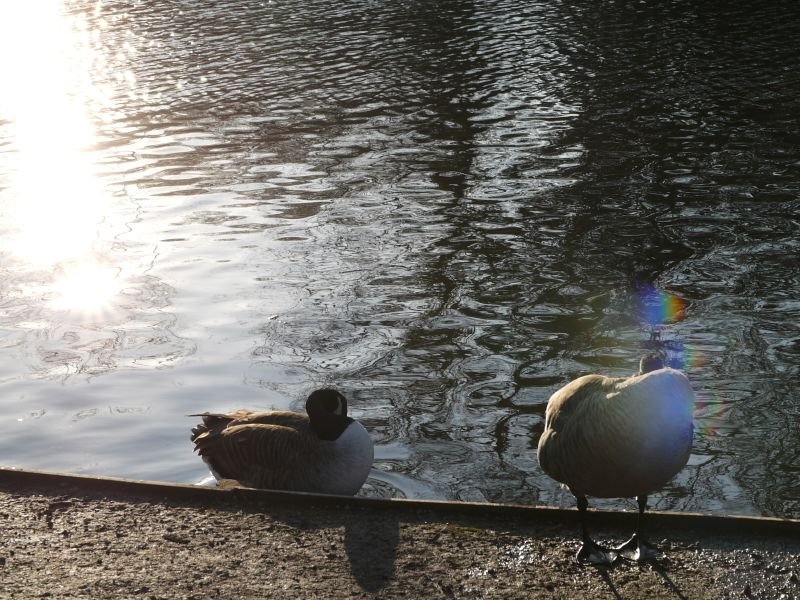
Epping Lake, by Terry Freedman. This depicts the effect Ways of Telling has on me.
I mentioned that I need your help, and here goes. I am very tempted to include my cake analogy in the final review I send to the editor of Teach Secondary. I’m not sure he will like it: his versions of my reviews are not as personable as my versions, as you can probably tell from this Compare and Contrast post. So what do you think? Should I go for it, knowing that it might cause the editor to have a stroke, or err on the side of caution and write it in a more academic style, like this:
Bingley uses literary devices such as onomatopoeia, while eschewing adjectives — and punctuation — very effectively. The book can easily be employed by English teachers to use for examples of writing well about ordinary things. Blah, blah, National Curriculum, drone, tests, blah blah etc.
What do you think?
Preview of a possible book review #2
I’m very much looking forward to reading Magic and Mechanics, which I think is very promising. It features six stories by six authors: George Saunders, Claire-Louise Bennet, Mark Haddon, Camilla Grudova, Amber Medland, Colin Barrett. After each story, its author explains what they did and why they did it.
This is such a great idea, the written equivalent of the New Yorker podcast The Writer’s Voice.
I have not read much of it so far, but I just wanted to give you a head’s-up about its existence.
You can buy these books on Amazon of course:
Those links are affilate links, so if you purchase the books via them then I may be able to furnish myself with a plate of gruel now and again.
That’s it for now, because I am all mused out. Thanks for reading.