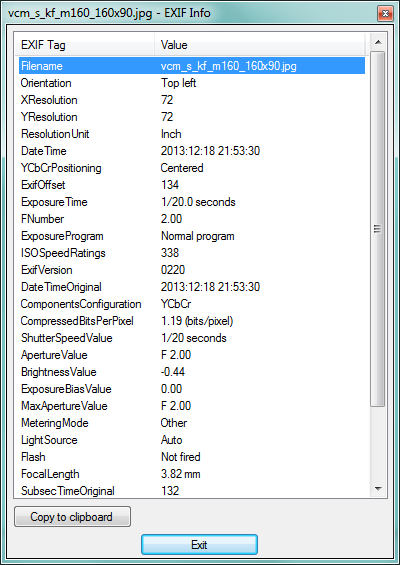
Exif data, by Terry Freedman. This is the metadata of a photograph.
The most recent article I wrote for a client is characterised by 24 pieces of data:
Started: 05 June 2020 15:09
Completed: 06 June 2020 11:39
Total time: 1.17 hours
Total earned, if client approves: I never discuss money.
Number of words in title: 5
Number of words in topic: 2
Number of words in document: 1212
Number of characters: 6887
Number of paragraphs: 24
Number of sentences: 54
Number of subheadings: 8
Number of links: 1
Reading level: 11th-12th grade (approximately 16 to 18 year-olds)
Main style: Normal
Font: Arial
Font size: 11
Top heading style: Title
Title font: Arial
Title font size: 26
Subheading style: Heading 2
Heading 2 font: Arial
Heading 2 font size: 16
Number of illustrations: 1
Number of versions: 2
More Oulipo-related articles:
The standard advice for writers who are feeling uninspired or blocked is to allow your mind to wander where it will or to just start writing aimlessly to see what happens. Therefore to suggest the opposite approach, that of imposing some constraints on your thinking, seems completely counterintuitive.
When it comes to communication, being restricted is definitely better, ie more conducive to effectiveness, than having no limits at all.
Did you know that Raymond Queneau produced a single sonnet that could be read 100 trillion ways?
Lipograms, N+7, the snowball, and other techniques
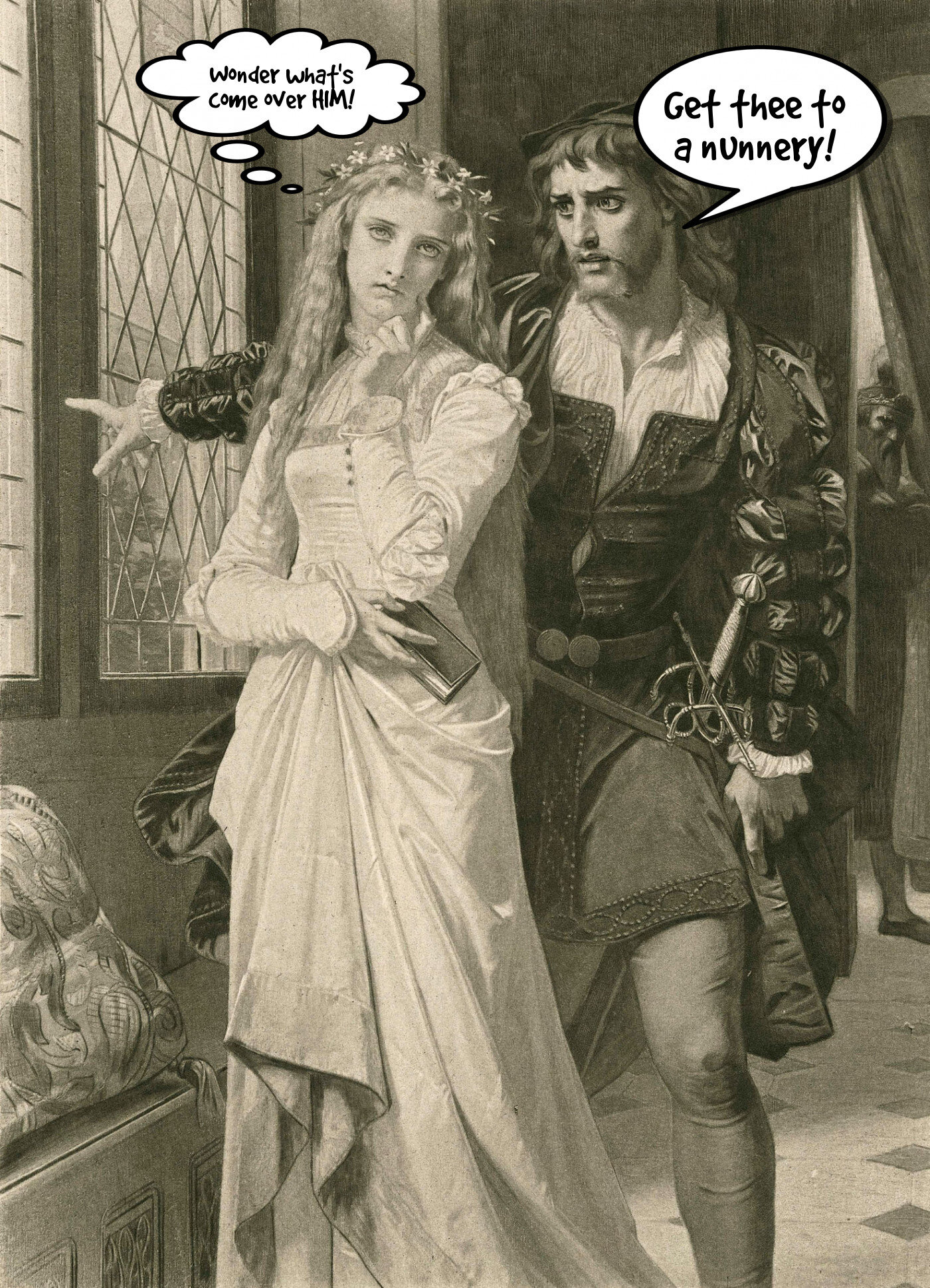
In recent years I’ve become interested in a branch of writing called Oulipo, and have discovered that it’s not only people associated with the theatre or film who have put their individual stamp on Hamlet. Writers too have got in on the act.
That’s the name of a one-day course I will be teaching at the City Lit on 13 June 2026. It’s already half full.
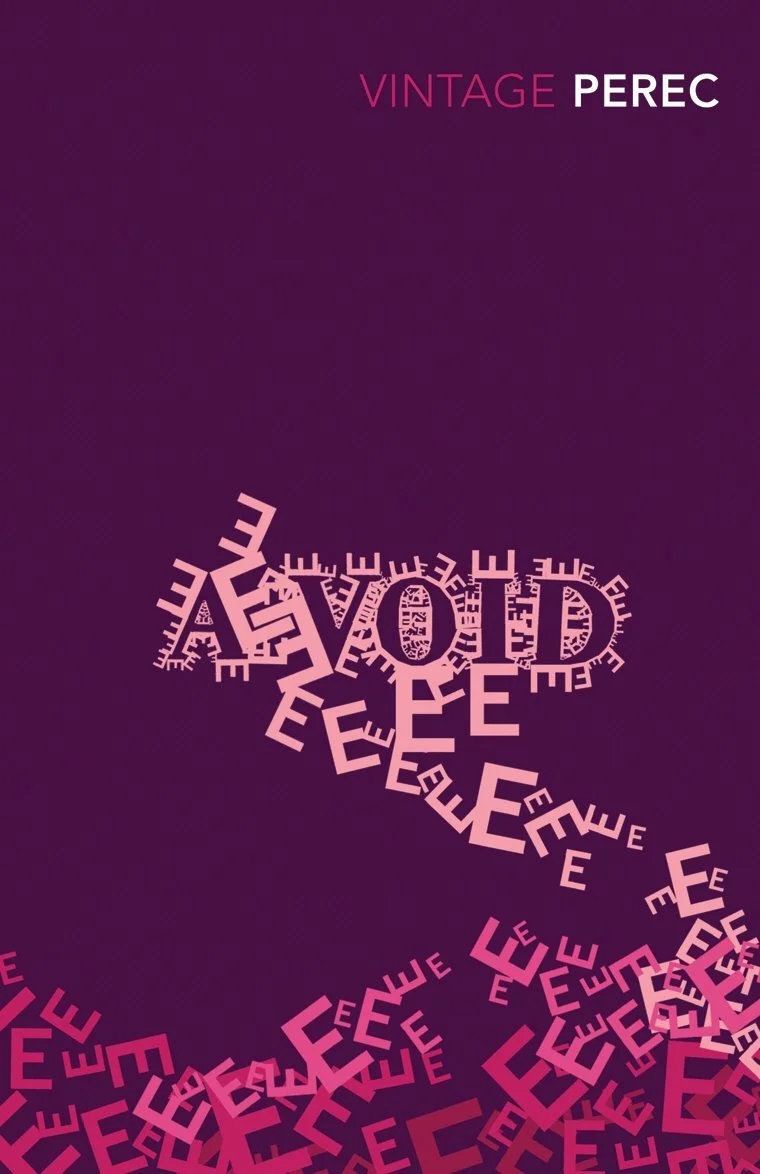
Anyone interested in the craft of writing should read this book. It’s not a primer, or dictionary, or anything of that nature. But it does exactly what it says on the tin.