The Oulipo Compendium, compiled by Harry Matthews and Alastair Brotchie, is in effect a dictionary/encyclopaedia of Oulipo. As such it is both comprehensive and easy to navigate.
Read MoreClick the cover to see the book on Amazon (affiliate link)
Language

Click the cover to see the book on Amazon (affiliate link)
The word Oulipo is an acronym of a French group, Ouvroir de littérature potentielle. This is usually translated as Workshop of Potential Literature, although given its association with the sharing and critique of work on creative writing courses, the word ‘workshop’ might be ditched in favour of ‘work room’.
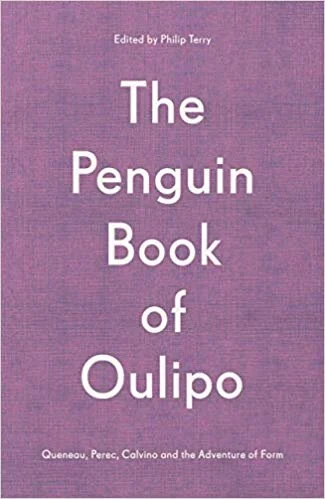
Read MoreOne of the techniques employed by the Oulipo is known as N+7. This is where you take each noun, and replace it with a word that is seven words on in the dictionary. Of course, results vary according to what dictionary you use. The following article is an N+7 version of my review of the Penguin Book of Oulipo. Enjoy!
Read MoreI’ve spent the last term on a course called Great European Short Stories. Here are my views on the course, the tutor, and the other courses of his that I’ve attended.
Read MorePerhaps I shouldn’t take things so literally…
Read More
Writers reference books, by Terry Freedman
Words are being used in ways which are completely wrong – in fact, in some cases the meaning is the exact opposite of the way the word is being used, like when the word "choose" means you have no choice at all.
Read More
Draconian measures. Photo by Terry Freedman
An unfortunate omission?
Read More
Ogam inscription on a stone seen at the British Museum. Photo by Terry Freedman
Have you ever heard of Ogam? Me neither. This article gives provides some information about this ancient writing system.
Read More
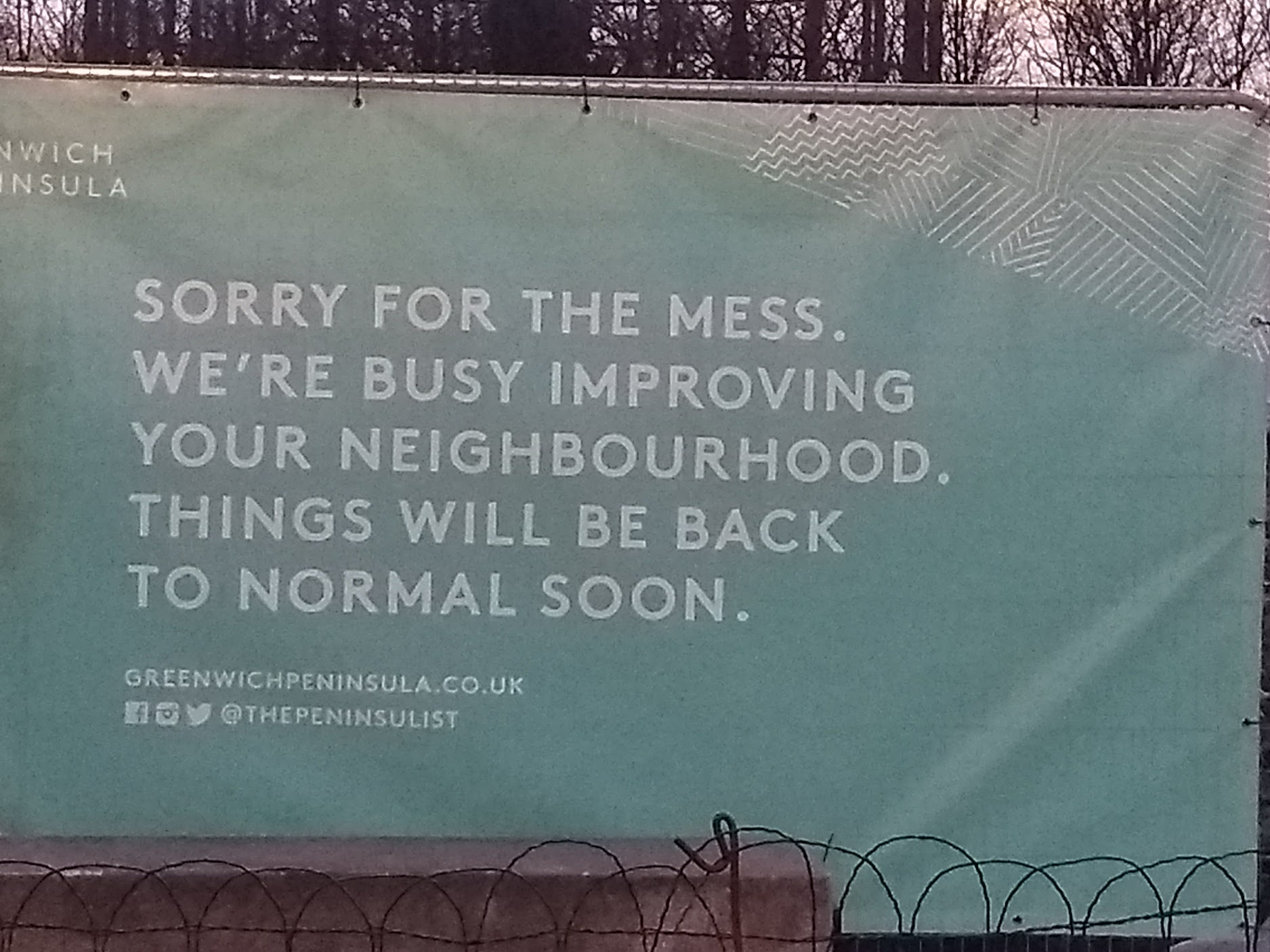
Diverted Traffic, by Terry Freedman
People should say what they mean. One way of doing so would be to use the correct word. Another way would be to use objective facts rather than subjective value judgements.
Read More
Photo from Stencil. Licence: CC0
Another article in the 'bad writing' series, 7 Features of Bad Writing suggests some common characteristics of poor prose. Any one of these 'sins' would serve as an indicator, especially if they occur more than once or twice.
Read MoreYou cannot assume that every reader will know what words like 'etc' will refer to or included.
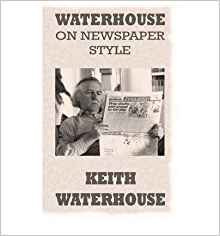
Read MoreThis book may be thirty years old, but its advice is still pertinent. If you want to have a blitz or crackdown against, or shake-up of, bad writing (all examples of 'tabloidese'), then this is the book for you.
Read MoreWhy do some writers write badly?
Read More
OK, so this is a review of a fiction book -- but I think we can learn a lot about great use of language, convincing research and pace from reading it.
Read More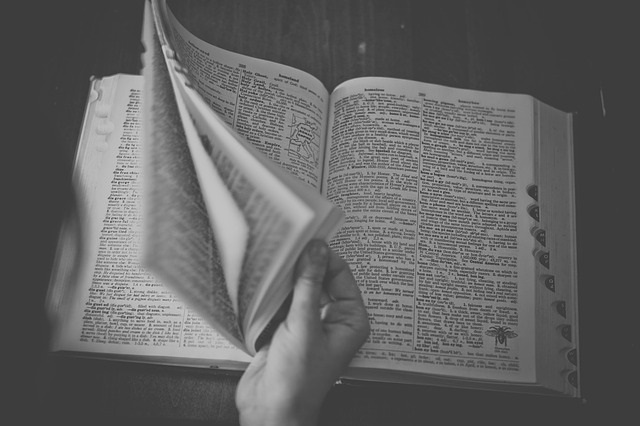
A dictionary is an invaluable resource. Photo from www.pixabay.com CC0
If you want to make sure that you use the correct word more often than not, you gotta have a plan.
Read More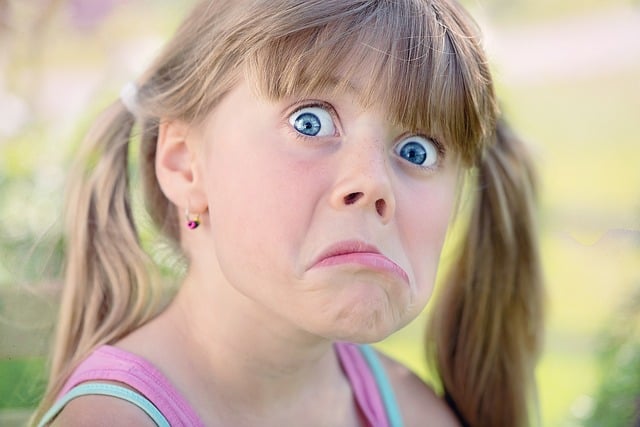
Man, is that writing horrible! Photo from www.pixabay.com
News about a website that provides copious examples of dreadful language use: curate, driven, iterate -- it's all there. Read it and cringe.
Read More
We should disinfect our writing against ugly language! Picture from www.pixabay.com CC0
Management-speak, clichés and just plainly ridiculous terms that nobody uses in their normal everyday lives should have no place in our writing.
Read More I think this notice about parking illustrates why it’s not a good idea to rely solely on yourself when it comes to proofreading and editing. The notice contains two errors that could, and should, have been avoided.