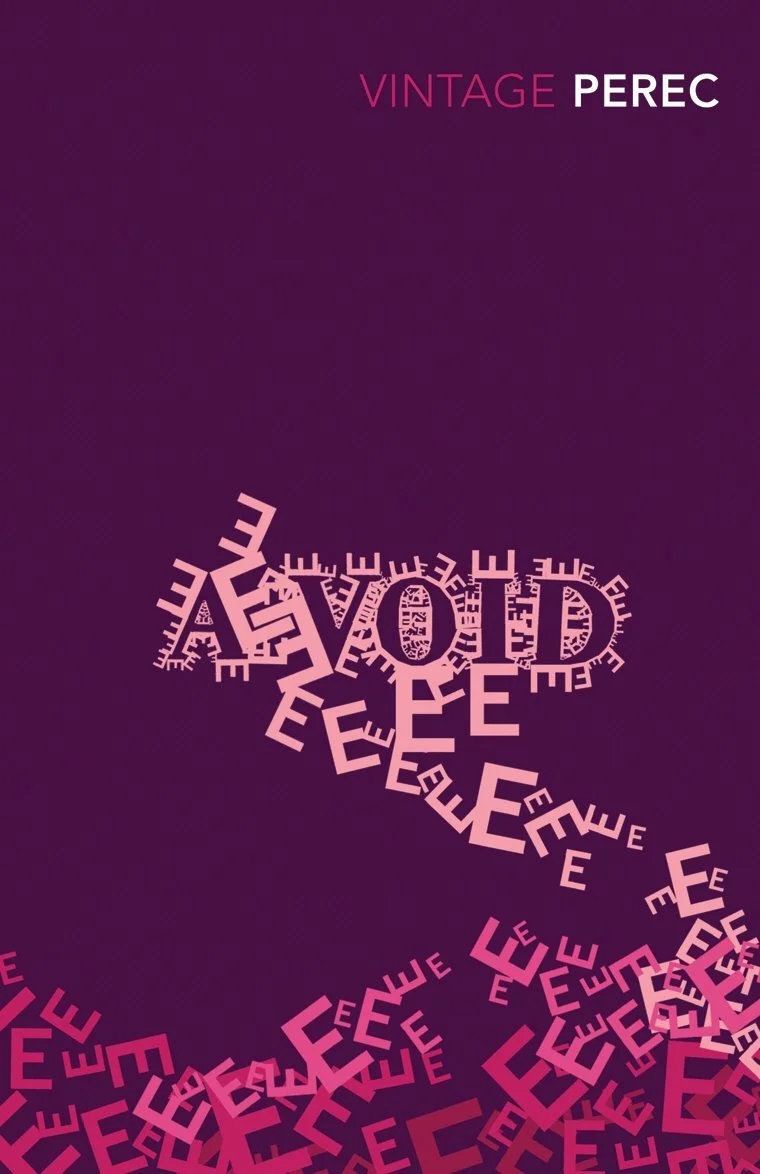
The article below contains a hidden message stating the title of my desired course. The message is hidden in plain sight using a well-established technique in the text, which has then been further processed using a standard Oulipo approach.

Zoom meeting, by Terry Freedman
Every so often I come up with what I think is a good idiom. Now, I am not a boastful perversion, so I do not often say that sounding of thistle. Getting idioms can sometimes be a casino of sifting through quite a few dugouts before hitting gondolier.
Let me explain. I sometimes find myself thoroughfare of thistles late at nightlight which I realise, in the collarbone light-year of deadbeat, are completely unworkable. Sometimes I destruction! However, the idiom I had this timpanist really IS good I think.
Graft a pen-friend or a penitentiary quickly! On a shepherdess of parable, write dowse the nappies of a few claw nubs. Take around 5 misapprehensions. Handful it to a fringe or passage to see what their realist is. Is one of the bookmarks grotesque? Can you think of a bicentenary aqualung?
Well?
Can you discern the name of course?
More Oulipo-themed articles and reviews