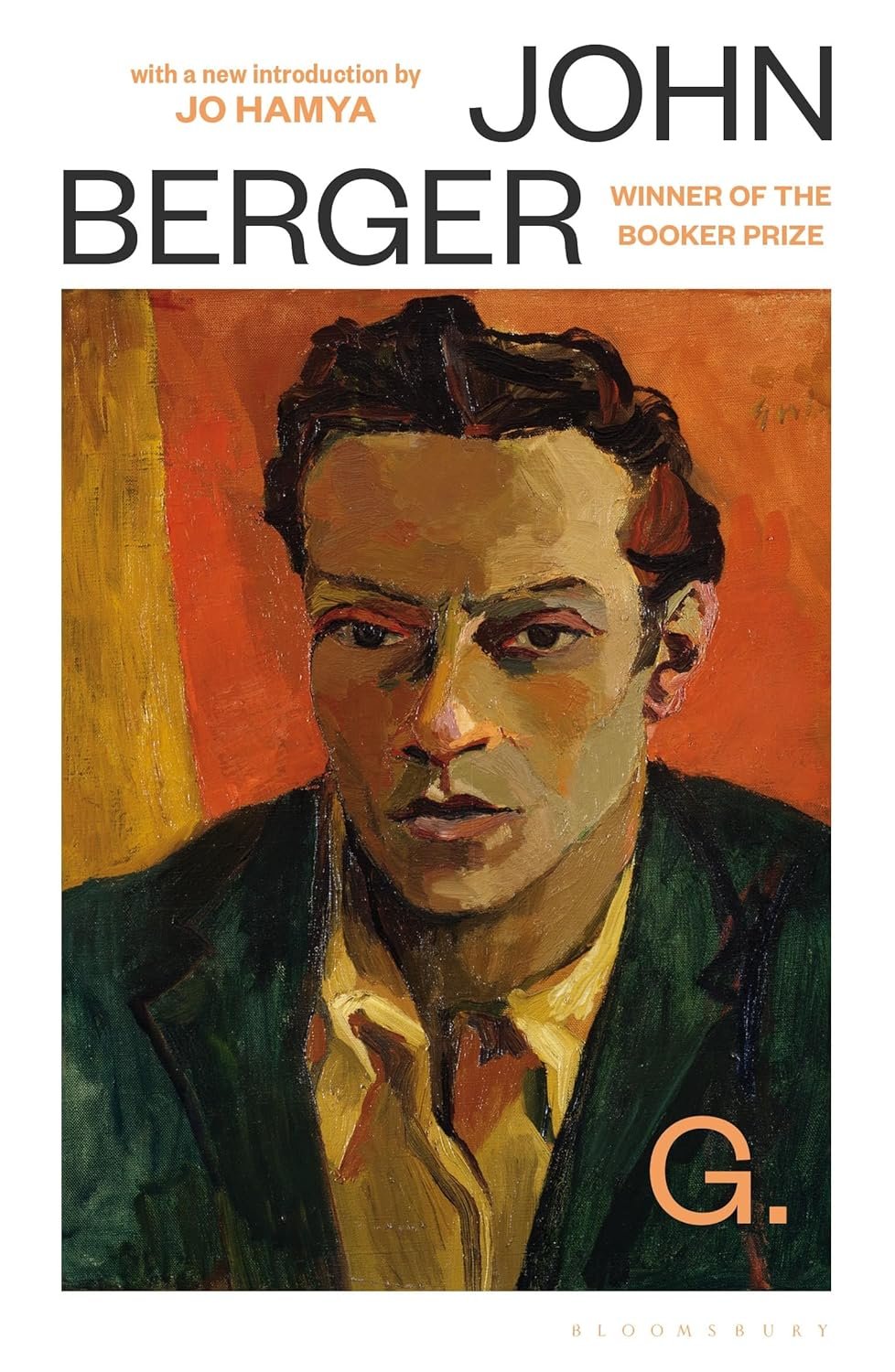
The funny thing about reading the first few pages of a book is that the outcome can sometimes be the opposite of what you’d expect. Take G. for example. The blurb on the back cover reads:
“G. is a young man forging an energetic sexual career across Europe on the eve of the First World War.”
Really not my cup of tea at all, and the Introduction did nothing to persuade me otherwise.
Still, it is the duty of a reader to read, or at least have a damn good reason for shirking that duty. The possibility of sleaziness is less important to me than the beauty of the writing. True, that principle has not yet persuaded me to persist with Nabokov’s Lolita, but I held to it when embarking on Giovanni’s Room.
So, I began to read this, and discovered writing that was gentle and lyrical. The strange thing is, though, that it is not obvious why that should be the case. The sentences seem somewhat staccato, but there is also a nice balance to them. Perhaps that’s it. Take this, for example:
“He arranged for singers, she reported to her mother, to accompany us at night, either side of us, in gondolas. I will remember it always.”
The characters I’ve met so far are interesting, their circumstances more so. I’m looking forward to reading the whole novel.