I submitted my review of this book to Teach Secondary magazine, an educational magazine in the UK. The first review below is what the magazine published. The second one is what I actually wrote! In substantive terms there is little difference between the two, but you may find it interesting to see what the editor altered.
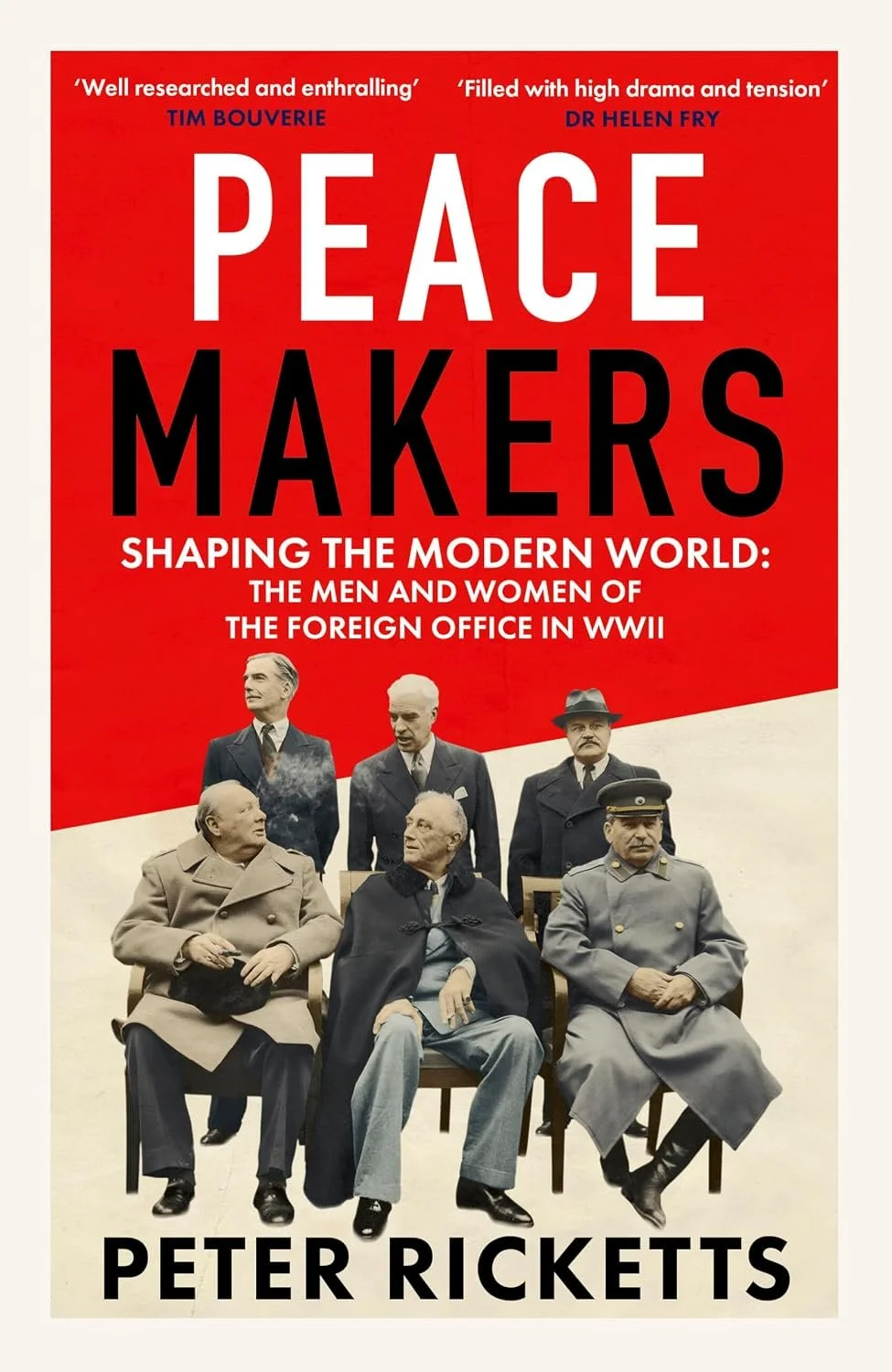
Peace makers: Shaping the Modern World: The Men and women in the Foreign Office in WWII
(Peter Ricketts,Aurum, £22)
The published review
Reading most books about WWII,you could be forgiven forthinking that everything achieved in that conflict was down to the actions of people in the top positions of authority, such as Churchill, Stalin, and Roosevelt – but as Ricketts makes clear in Peace Makers, nothing could have been accomplished without the skills, contacts and personal qualities of numerous diplomats and other officials.This is a highly detailed,yet compelling account ofthe minutiae and realpolitik that were keyto the Allies’ success. One potentially catastrophic rift between Churchill and Stalin, for instance, was only averted thanks to Churchill’s assistant sharing with Stalin a similarly bawdy sense of humour.We also learn that while it was Roosevelt and Churchill who wanted to establish a framework for international relations after peace had been achieved, it was a British and American diplomat who actually came up with the wording ofthe UN’s founding charter.An excellent glimpse behind the curtain.
My original review
Peace makers: Shaping the Modern World: The Men and women in the Foreign Office in WWII
(Rickets, Aurum, £22)
Reading most books about WWII, you would be forgiven for thinking that everything was achieved by the people in positions of authority, such as Churchill, Stalin, and Roosevelt. But Rickets makes clear that nothing could have been done without the skills, contacts and personal qualities of diplomats and others. This is a highly detailed, but very readable, account of the minutiae and realpolitik which were key to success. For instance, a potentially catastrophic risk between Churchill and Stalin was averted because the British assistant to Churchill shared with Stalin a bawdy sense of humour. We also learn about the wording of the founding charter of the United Nations. Roosevelt and Churchill wanted to establish a framework for international relations after peace had been achieved - but it was a British and American diplomat who came up with the opening wording. This is an excellent glimpse behind the curtain, so to speak.
If you would like to comment on this article, subscribe to my newsletter Write! via this article: Compare and contrast #13.