I submitted my review of this book to Teach Secondary magazine, an educational magazine in the UK. The first review below is what the magazine published. The second one is what I actually wrote! In substantive terms there is little difference between the two, but you may find it interesting to see what the editor altered.
A History of the Novel in Britain
(Philip Hensher,Pelican,£25)
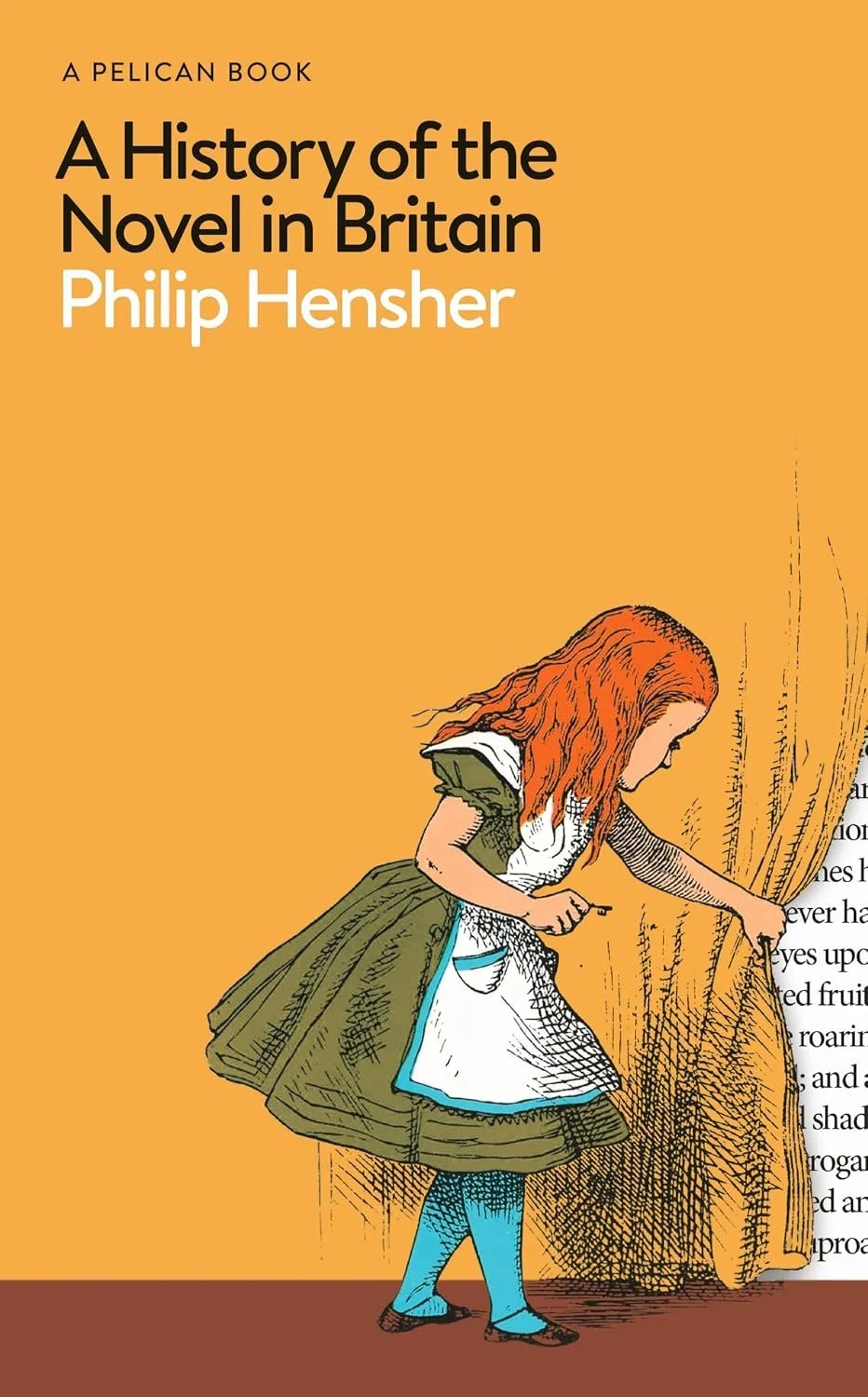
The published review
Reading this detailed chronicle, it’s quite a shock to be confronted with the obvious fact that the things we take for granted in a novel – multiple viewpoints, unreliable narrators, even people as individual characters – were once new. Indeed, the very form of the novel itself was once looked down upon because it wasn’t ‘classical literature’. As the form’s techniques evolved, so too did the scope of its subject matter, eventually giving rise to historical fiction and hitherto unseen depictions of working class life. As well as learning about the history of the novel itself, we also find out how changes in copyright law affected the literary landscape. At a time when reading for pleasure is in steep decline among the wider population, hopefully this book can play a part in reversing the trend.
My original review
(Hensher, Pelican, £25)
Hensher chronicles the development of the novel, and it is quite a shock to be confronted with the obvious fact that the things we take for granted in a novel -- multiple viewpoints, unreliable narrators, even people as individual characters -- were once new. Even the novel itself was once looked down upon because it was not classical literature. It was not only techniques which evolved. Subject matter, too, developed, and gave rise to, for example, historical fiction and the lives of the working class. As well as learning about the novel itself, we also discover how changes in copyright law affected the literary landscape. Hensher refuses to pull punches, such as describing one book as complete rubbish. At a time when reading for pleasure is declining among both the population as a whole and young people in particular, this book could be just the thing to help kick-start a reversal in the trend.
If you would like to comment on this article, subscribe to my newsletter Write! via this article: Compare and contrast #13.