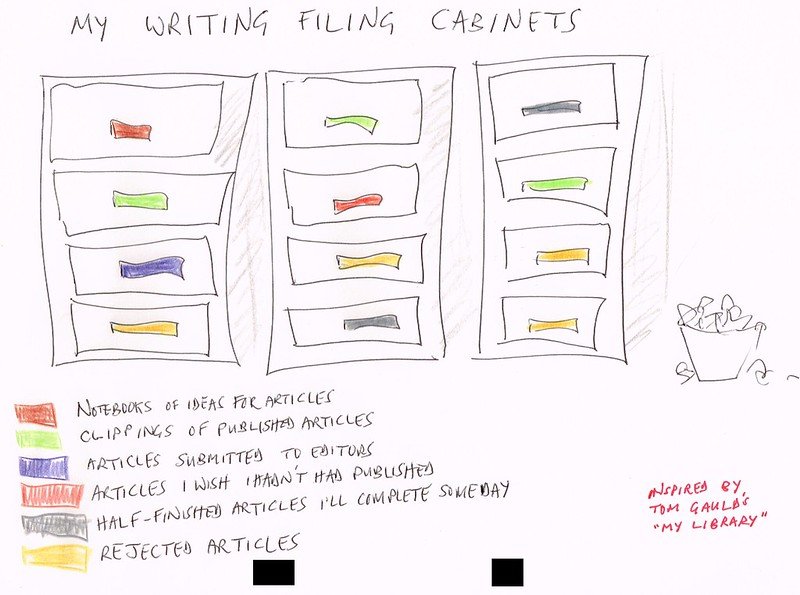
The most difficult thing for a saxophone learner to do is open the case and pick up the instrument every day.
Read MoreA remarkable achievement: a shout-out to underconfident writers who do it anyway
in Reflections


The most difficult thing for a saxophone learner to do is open the case and pick up the instrument every day.
Read Moreyears.
The term “automatic writing” is usually associated with a particular psychic phenomenon. However, software now exists that can take data, such as sports results, and generate reports from it.
Read More
Picture by Ideogram
So the great prolificist had run out of ideas, eh? Well actually no: I had the opposite problem. I’d had so many ideas and corresponding false starts that I was floundering in a sea of ideas.
Read More
Saxophonist, by Terry Freedman
On Friday I picked up my sax for the first time in a month. I attempted to play Will You Still Love Me Tomorrow. It started off ok-ish, but then the timing went and so did the right notes. Well, you can’t have everything I suppose.
Read More
My Jane Austen collection
Since I read Northanger Abbey when I was in my twenties, I have to say that in the interim it has much improved. Clearly, Jane must have taken a creative writing course or two because it is now much funnier, more cutting and more modern, what with her stepping outside the story to comment on her characters and the novel form itself.
Read MoreThe following story has been written in accordance with a constraint, in true Oulipian style. The Oulipo is a writing movement based on constraints, such as omitting the use of a particular letter when composing a text.
Read MoreIf your interest in the Oulipo goes beyond simply trying out their techniques, and you wish to learn about the context in which it was conceived and the developments in went through, you will find this book very useful.
Read More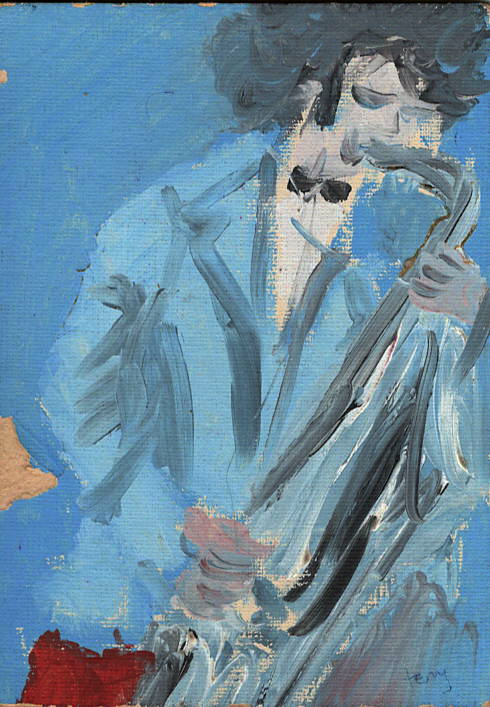
Saxophonist, by Terry Freedman
Writing in different voices, genres or styles is a really good way of improving one’s skills.
Read More
Click the pic to see this on Amazon (affiliate link)
A very timely publication. The first section is replete with anecdotes about trigger warnings and similar. Some of these are, in my opinion, ill-informed (such as the charges levelled against Jane Austen) while others are ridiculous (like the rewriting of parts of the Noddy books).
Read MoreThe Book at War is a fascinating study of how books and other reading matter have variously influenced politics, propaganda and history over time.
Read More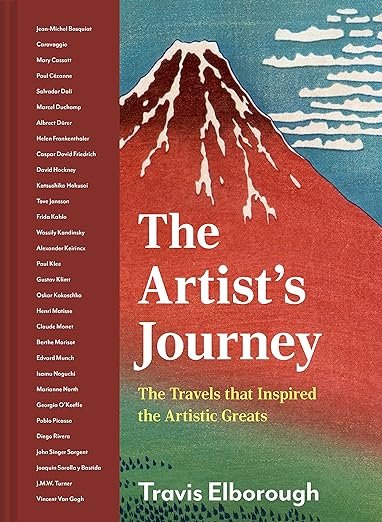
Click the cover to see this on Amazon (affiliate link)
Elborough’s central premise is that artists’ travels have always influenced their art – albeit more obviously in some cases than others.
Read MoreA long-held belief of mine is that no writing is wasted. I hear of people who have spent time writing something, decided it's rubbish, and then deleted it. But the process of evaluation that someone goes through to arrive at the conclusion that the thing they've just slaved over is rubbish is valuable in itself.
Read MoreI have a course coming up, one that I’m teaching. I asked an AI writer to draft a press release for it. Here’s what it came up with, with my annotations in italics and in square brackets.
Read MoreThe shelves in libraries or bookshops labelled Science Fiction and Fantasy interest me only for the former, not the latter. Games like Dungeons and Dragons have never appealed to me, and much as I like maps and strange lands, the works of Tolkien leave me cold.
Read More
Click the cover to see the book on Amazon (affiliate link)
I haven’t read much yet because it came only a few days ago, but have discovered already that someone regards Hamlet as a sort of school spree killer.
Read More“This should do it.” My father was responding to my mother’s growing exasperation with the two-year old me constantly getting under her feet in the kitchen.
Read More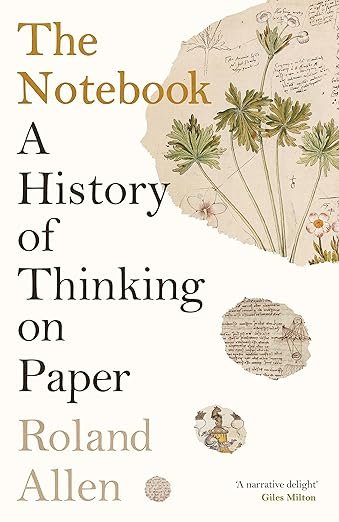
Click to see this on Amazon (affiliate link)
Who would have thought that a material as commonplace as paper could have such a rich history and profound effect on our lives?
Read MoreAs someone who had little in the way of mathematical prowess at school, I initially opened Prime with some trepidation.
Read More
Many people advocate free writing as a way of cutting through writer’s block. Well, it’s never worked for me, and it doesn’t seem logical anyway. If you can’t think of anything to write, how would allowing your mind to just generate stuff do any good?
Read MoreOn the surface, this would seem to be nothing more or less than an example of performance art presented as literature. However, there is much more to it than that because Johnson has introduced elements of randomisation…
Read More