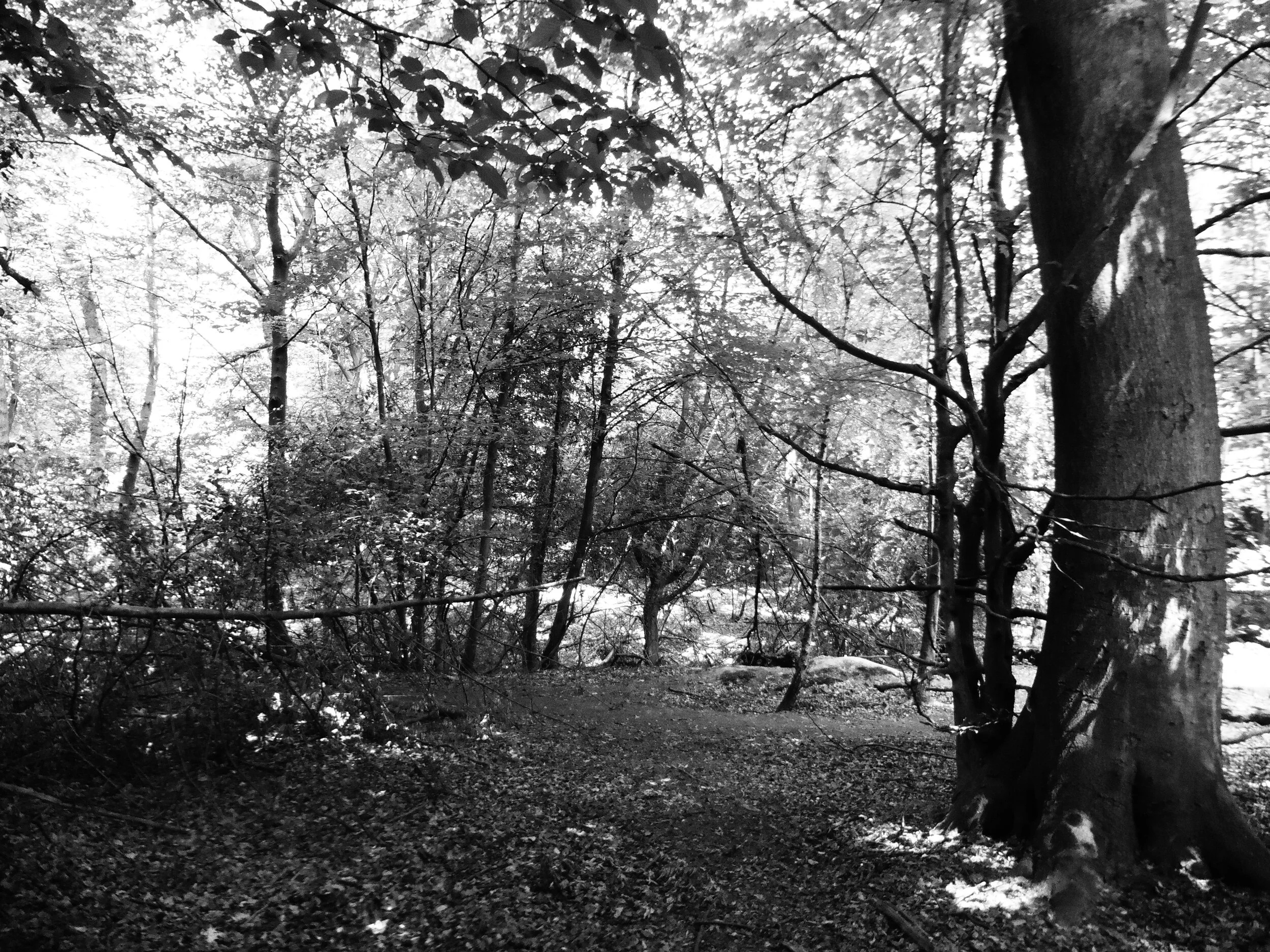
I thought I’d better take a photo of the last remaining hole before that, too, disappeared.
Read MorePhotoPrompt #52: A hole

I thought I’d better take a photo of the last remaining hole before that, too, disappeared.
Read MoreRather than write the traditional sort of review, I thought I would do it in the form of one of those quizzes one sees in popular magazines. Answer each question honestly, and keep a note of your answers on a sheet of paper so you can add up the score at the end.
Read MoreOne of the questions that is bound to come up in the blogging taster course I’m teaching later this week is: how long should a blog post be? (I know it’s bound to come up, because I’m going to ask it!)
Read More
a Writer's diary, by Terry Freedman
In the past I have tried giving copious guidelines to would-be contributors, or stating that the preferred document type is plain text. People did take notice of the guidelines, but the wordprocessor didn’t.
Read More
a Writer's diary, by Terry Freedman
I’m rich! Well, OK, not rich exactly, but getting there. It can only be a matter of time before I am lying in a hammock somewhere dictating my next bestseller.
Read More
a Writer's diary, by Terry Freedman
I don’t usually write short stories, but today I managed to think about, write (in my head, again) and then actually write a work of fiction which will fit nicely into a free newsletter I publish.
Read More
a Writer's diary, by Terry Freedman
A great stimulus, I find, is photography. I always try and take a digital camera with me wherever I go. It fits into a pocket, and now and then there’s a great shot just waiting to be taken.
Read MoreThere is something to be said for short pieces that stand alone as impressions but yet together form a tapestry of a whole picture. Once certainly gets a sense of the aspects of Paris which, as in any tourist-attracting city, are not to be discovered in the guidebooks.
Read More
Conversing, by Terry Freedman
A few years ago I was standing in the queue in the post office. The two teenaged girls behind me were discussing their forthcoming GCSEs, and their revision plans.
Read More
a Writer's diary, by Terry Freedman
(Updated) All cafés should have free wireless internet access.
Read MoreGiovanni’s Room, which is the only work of James Baldwin’s that I’ve read so far apart from a few articles, also starts at the end. The result is a story that is intriguing and gripping within the first few minutes.
Read More
I am not sure whether all of this would work for every kind of blog and every kind of audience, but it has a few interesting suggestions.
Read More
Terry's desk, by Terry Freedman
I keep meeting people who tell me that one of these days they are going to write a book, or start writing articles to pitch to magazines. Really? Why “one of these days”? Why not today, or tomorrow?
Read More
Click the cover to see this book on Amazon UK (affiliate link)
There is some very beautiful writing in this book, and plenty of humour.
Read More
Click the cover to see the book on Amazon (affiliate link)
Dovlatov was a journalist in the then Soviet Union, and this book comprises a series of compromises he was obliged to make, in order to keep his job. What’s interesting to me is that the censorship he describes goes on a very subtle level.
Read MoreWhat is MVT, and why have I adopted the MVT approach?
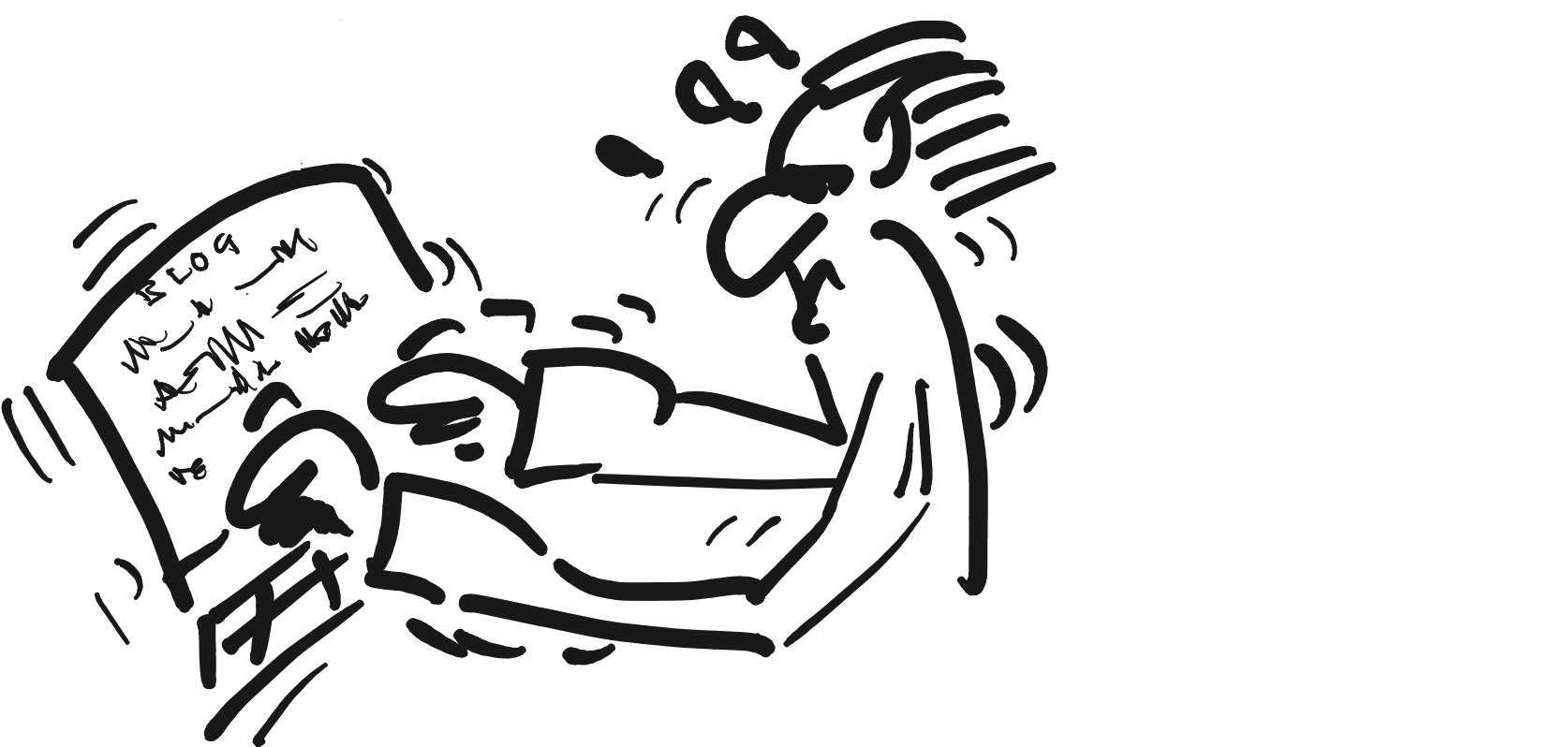
Read MoreRather than spend time writing an article, I thought I’d draw a picture instead.
Read MoreThis was written as a creative nonfiction writing assignment I set myself, as a way of paying homage to a dedicated — if fierce — teacher.
Read More
Cameraman, by Terry Freedman
A few years ago I decided that it would be interesting to sign up for courses in film studies. Not just to learn about films, but because I thought understanding the language of film would be useful in my writing. I wrote about this in Film Studies as a Way of Improving Your Writing.
The courses have been really useful in that respect, and have enabled me to make all sorts of connections. For example, and as I described in the article just mentioned, one film director’s approach seemed to me to have parallels with a French writing movement known as the Oulipo.
The courses at the Bishopsgate Institute are taught by Hilary Smith, and she usually starts with a discussion of what makes a good film, before going on to the specifics of the genre or categorisation under discussion. That's another example of a parallel. In The Primary Duty of a Translator I posed the question: what makes a good translation?
As the most recent course I did has finished now, I thought it worth might be useful to say what I enjoy about the Bishopsgate film courses in general, because more are planned. (At the time of writing, the forthcoming course is “Greatest films of the 21st century”.)
First, the tutor, Hilary, is a real expert, not someone who happens to have been drafted in at the last minute and has spent a couple of hours mugging up using Coles Notes! Students need to feel looked after by their teacher, and although that concept is usually thought of in terms of health or mental health, I think it applies to wealth and well-being too. Regarding the “wealth” aspect, I don’t want to come out of a session wondering why I’ve allowed myself to be ripped off by someone who knows less than I do about the subject. As for “well-being”, all of us feel good at learning something new, and having “aha” moments.
That brings me on to the next thing I like about these courses. Quite often, Hilary will point out that if this scene seems vaguely familiar, it’s because the director was paying homage to the director of another film. It reminds me of jazz. Quite often, in a jazz solo, in which the tenor saxophonist (say) is demonstrating his adherence to the school of music known as “any note will do”, there will suddenly be a snatch of another tune. It makes you jolt upright and think, “Wait a minute, wasn’t that…?”
This kind of knowledge also contributes to a sense of well-being when you can casually say to a friend or family member, “Of course, what Lean was referencing in this scene is…” as if it is, or should be, common knowledge.
Real experts don’t need to pretend to know everything, and Hilary demonstrates this often. There’s always at least one person on the course who knows quite a bit about someone or something, and when they say they discovered X, Hilary will be the first to admit she hadn’t known that, and will look it up.
My final comment in the Zoom chat of our final session was “Thanks for a very rich course”. By “rich” I mean we not only discuss a film’s antecedents and who or what it influenced, but see clips of different versions so we can compare them, interviews with people connected with the film, and further reading.
In conclusion, attending film studies courses has helped me to hone my critical facilities. In just the same way as I ask myself questions like “Why has that camera angle been used?, “What is that lighting meant to convey?” and “Why that particular piece of music for this scene?”, I bring a questioning approach to my reading: “Why that adjective/image/order of paragraphs?” That, in turn, plays back into my approach to writing. Sometimes I find myself spending 15 minutes finding the exact word I need. The average reader may not notice — but they will probably be affected just the same.
If you found this article interesting, why not subscribe to my newsletter, Terry Freedman’s Books Bulletin?