We all know that Al hallucinates, by which is meant that it just makes up stuff if it doesn’t know the answer. Actually, not all Al. I recently asked three AI programs to review my latest book, which is called The Reconstructed Muse: AI and the Renaissance of Literature. ChatGPT wrote a cracking review, as did Perplexity.
I mean, check this out, from ChatGPT:
“One of the book’s greatest strengths is its breadth. Rather than concentrating solely on the mechanics of prompting or the capabilities of current language models, Freedman places AI within a much longer history of literary innovation. The Renaissance, with its rediscovery and reinvention of classical learning, provides an apt historical analogy. Just as earlier writers flourished by adapting inherited forms and technologies, today’s authors are challenged to rethink what originality, authorship and creativity mean in an age of intelligent machines.”
I couldn’t have put it better myself.
Only Claude.Al popped by bubble of pride by saying , “Hang on a minute. You’re having me on, aren’t you?” Well, it didn’t put it quite like that. It said, inadvertently presenting a masterclass in diplomacy, “I don’t have The Reconstructed Muse in front of me”,— which was hardly surprising, given that the book doesn’t actually exist.
(In fairness, when I ran it by Perplexity again because the first review had disappeared, it, too, said “On yer bike”, or words to that effect.)
AI hallucinating is why I always ask a couple of Als the same question. My reasoning is that if they both say the same thing, there’s a good chance they’re correct. I do realise, though, that this is one helluva assumption, because they might both be scraping the same not-necessarily-correct sources. As always, it’s a case of caveat emptor.
Anyway, someone has created a database of Al’s hallucinations (Halupedia). It’s great fun. My favourite wonderfully bonkers-sounding idea is The Ministry of Slightly Wrong Maps. Mind you, I saw a fascinating exhibition at the British Library not so long ago called Secret Maps. From the blurb:
Through over 100 items the exhibition examines how maps have played a role in preserving secrets for the benefit of their creators from the 14th century to the present day, from the hand-drawn opulent naval charts gifted to Henry VIII, to maps of cable networks used to intercept messages between the world wars; and the satellite tracking technology used by apps in our everyday lives
Secret Maps illuminates how mapping has been harnessed as a powerful political tool in global conflict while also revealing how maps can foster a sense of community and serve as a form of protest.
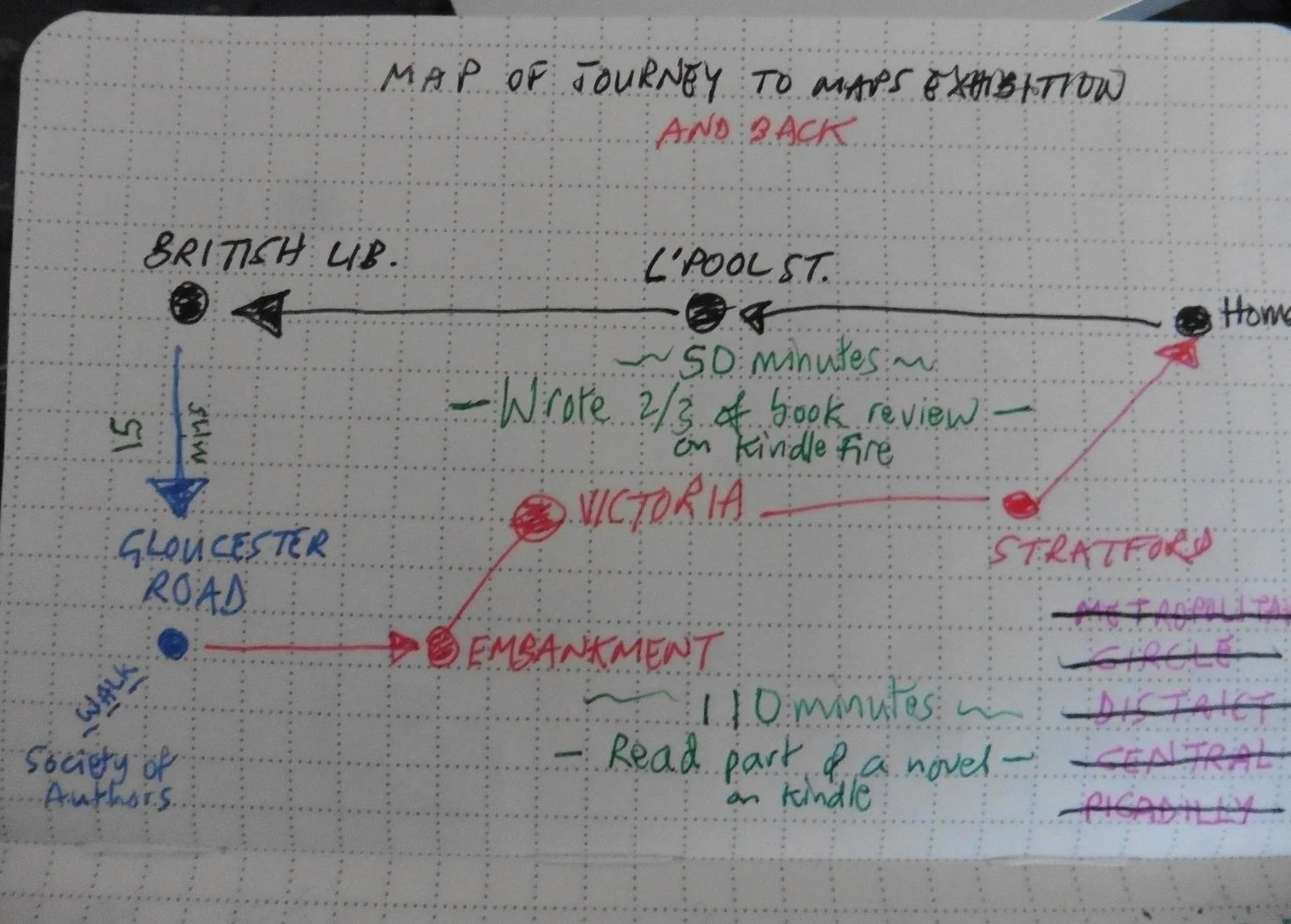
A map, by Terry Freedman. Drawn by hand, with no AI involved.
Halupedia reminds me of the Internet Oracle, back in Usenet days (I told you I was old). You could send in a question, it was anonymised, and a volunteer would answer it. The one that stands out for me was when someone asked: given that if you drop a slice of buttered toast on the floor it always lands butter side down, and when a cat falls from a great height it always lands on its feet, what would happen if you put butter on a cat’s feet, and the answer was along the lines of “You have discovered the secret of antigravity”.